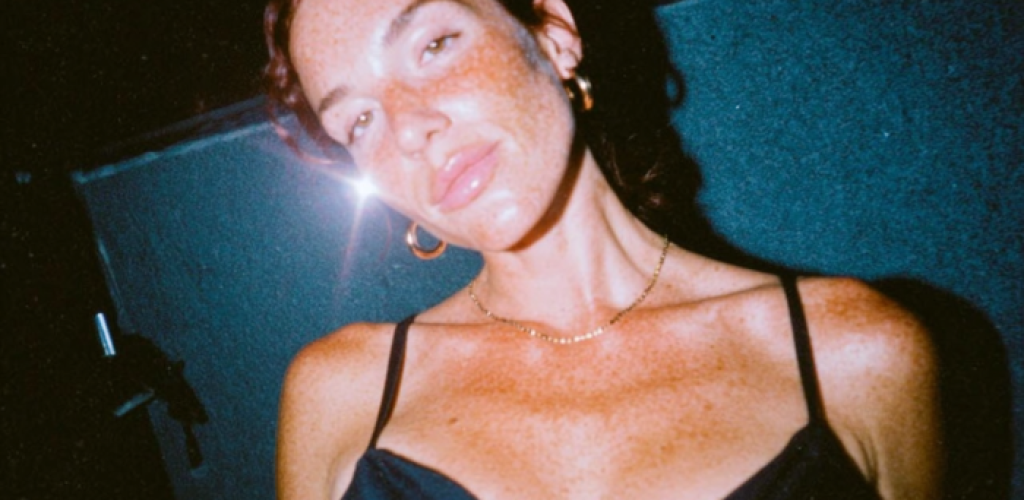
Sun damage on chest skin is the cumulative effect of years of UV exposure across the décolletage, and it usually shows as brown spots, blotchy redness, fine crepey lines and a rougher surface texture. It tends to appear later than facial ageing but progresses faster once it starts, because the skin here is thinner and gets far less protection and care than the face. At North Skin in Mona Vale, we treat this area with Plasma Fibroblast, using its pigmentation shading technique for spots and its tightening work for crepey lines.
What causes sun damage on chest skin
Most of it is UV accumulated over decades of Australian summers, seatbelts, low necklines and daily sun that never felt like sunbaking. UV drives two things at once. It triggers melanocytes to produce pigment unevenly, which is where age spots and blotchy patches come from, and it breaks down collagen and elastin, which is where crepey lines and lost firmness come from.
The pattern is well documented in dermatology literature, including this review of photoaging published via the National Library of Medicine.
Why the décolletage ages differently to the face
The skin across the chest is thinner, has fewer oil glands and less structural support than facial skin. It also creases mechanically every night if you sleep on your side, which is why vertical chest lines appear even in people who have been careful with sun. Add the fact that most skincare routines stop at the jawline, and the gap between face and chest widens through the forties and fifties.
Pigmentation shading with Plasma Fibroblast
Plasma Fibroblast uses targeted plasma energy to create a controlled reaction on the skin surface. For sun spots and uneven pigment, we use a diffuse shading technique across the affected area rather than treating spot by spot. It works by lifting damaged pigmented cells at the surface while the natural wound-healing response encourages fresher skin underneath. This is the technique that produces the clearest before and after results we see on chests and hands.
For the crepey lines and softness that come with lost collagen, the same treatment stimulates fibroblast activity, which supports collagen and elastin renewal over the following months. Many clients have both concerns, so a chest plan often addresses pigment first and firmness across subsequent sessions.
Supporting options for texture and tone
Where the main issue is surface roughness and general skin quality rather than distinct spots, Skin Needling is a useful supporting treatment for broader collagen renewal. For chests that are reactive, flushed or easily irritated, Cold Ozone Plasma is a calmer, low-temperature option that supports a healthier-looking skin environment without heat. Warm Argon Plasma can also be used for larger resurfacing work where stronger refinement is appropriate.
Who it suits, and who it does not
Plasma Fibroblast for the chest suits clients with clear sun-related pigmentation, crepey texture or early laxity who can commit to real downtime. It is not suitable where there is an active skin condition in the treatment area, and very dark skin tones need careful assessment because of pigmentation risk. We also do not treat any suspicious, changing or irregular pigmented lesion. Anything unusual needs assessment by a dermatologist or skin doctor first, and nothing we do replaces medical diagnosis or skin cancer screening. Every treatment begins with a thorough consultation.
What to expect on the day
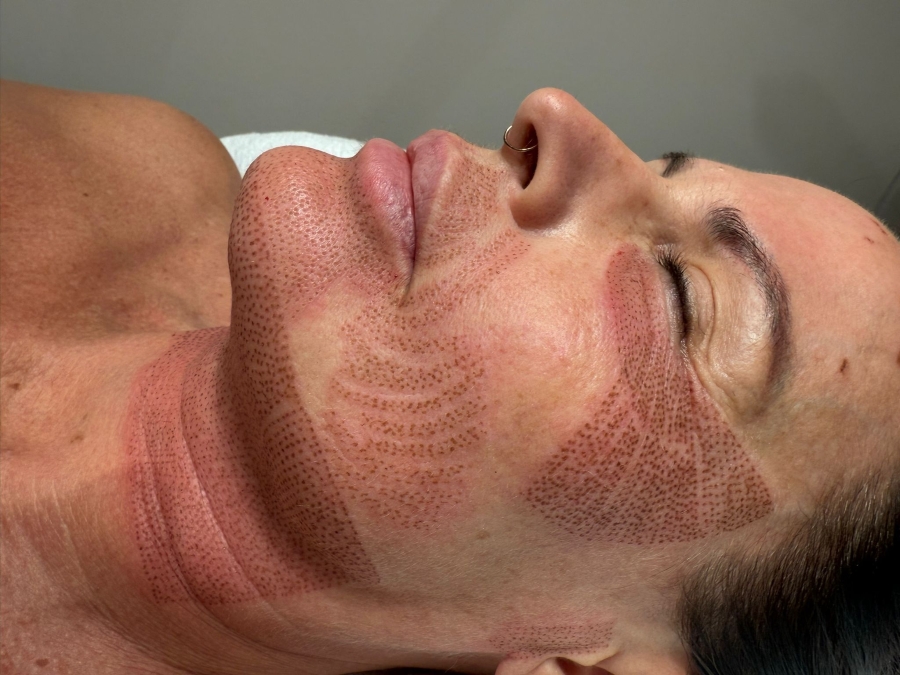
You may be asked to apply topical numbing before your appointment. We send an SMS reminder about an hour beforehand so the timing is right, and can top up numbing during treatment where appropriate. Afterwards, small carbon dots appear across the treated area and lift naturally over days three to seven. Some swelling and pink new skin underneath are normal. Plan for seven to ten days of social downtime, and longer if you want to wear a low neckline.
Results and realistic timelines
Pigment change is often the first thing clients notice, usually once the carbon dots have lifted and the skin has settled at around two weeks. Firmness and texture improve more slowly, with the fuller result appearing between weeks six and twelve as collagen matures. Chests frequently need more than one session where damage is extensive. Results vary with skin type, degree of damage, healing response and aftercare. Daily SPF on the chest is not optional if you want the result to hold.
Sun damage on chest FAQs
Yes, visible improvement is realistic. Plasma Fibroblast shading targets surface pigment and the healing response supports fresher-looking skin underneath, while collagen stimulation helps improve the appearance of crepey texture. It will not undo every year of exposure, and results vary with skin type and the extent of damage, but the change is usually clearly visible in before and after photos.
Plan for seven to ten days of social downtime as a minimum. Carbon dots appear straight after treatment and lift naturally over days three to seven, with some swelling and pink new skin in that window. The chest is easy to cover with clothing, which many clients find makes the recovery period more manageable than facial treatment.
Not always. Benign age spots respond well, but any spot that is changing, irregular, itchy or new needs assessment by a dermatologist or skin doctor before we treat the area. We will not treat an unassessed lesion. Plasma treatment supports the appearance of the skin and is not a substitute for skin cancer screening.
It depends on the extent of the sun damage and whether pigment, texture or laxity is the main concern. Lighter, patchy pigment can respond to one session. Widespread damage across the whole décolletage usually needs two or more, spaced to allow full healing and collagen maturation between them. We will set expectations at consultation.
Often yes. Hands show sun damage in much the same way as the chest, with age spots and thinning, crepey skin, and they respond to the same shading and tightening techniques. Many clients treat both areas together so the results match. Suitability is confirmed at consultation.
If your chest no longer matches the care you have put into your face, it is a fixable gap and a common one. Book a consultation at our private studio in Mona Vale and we will assess the area properly, be honest about downtime, and map out what is realistic for your skin on the Northern Beaches.
Related reading: Plasma Fibroblast for Pigmentation and Age Spots and Uneven Skin Texture: What Causes It and How to Improve It.