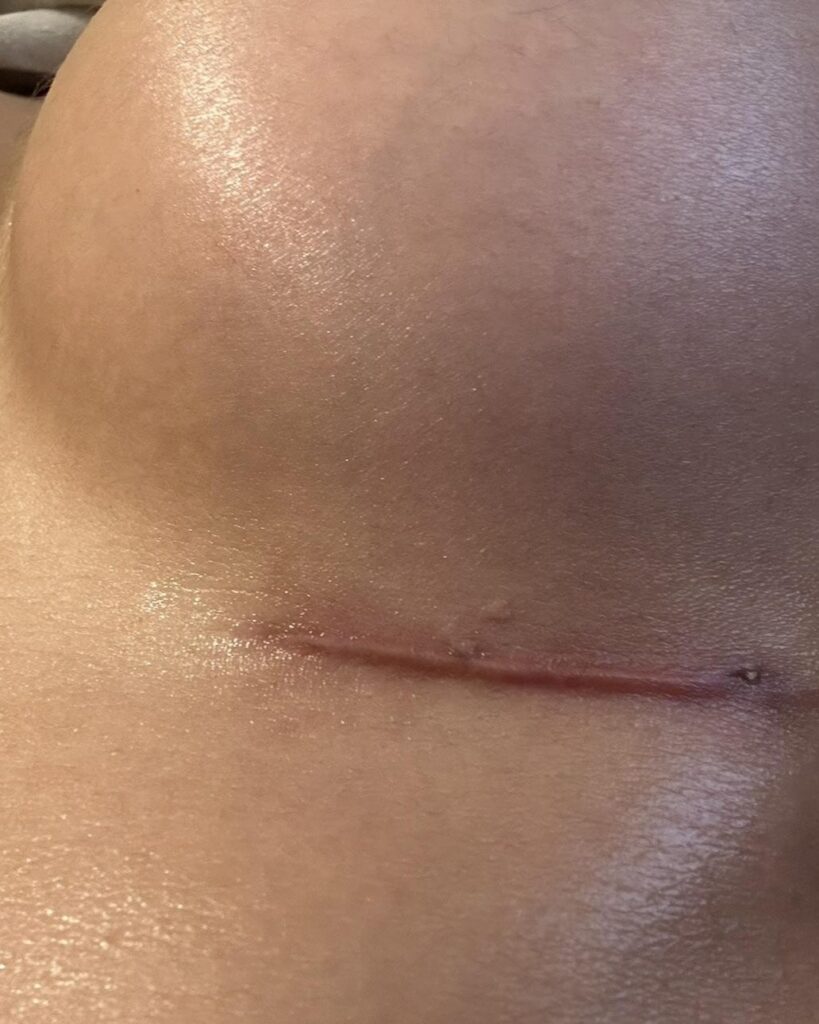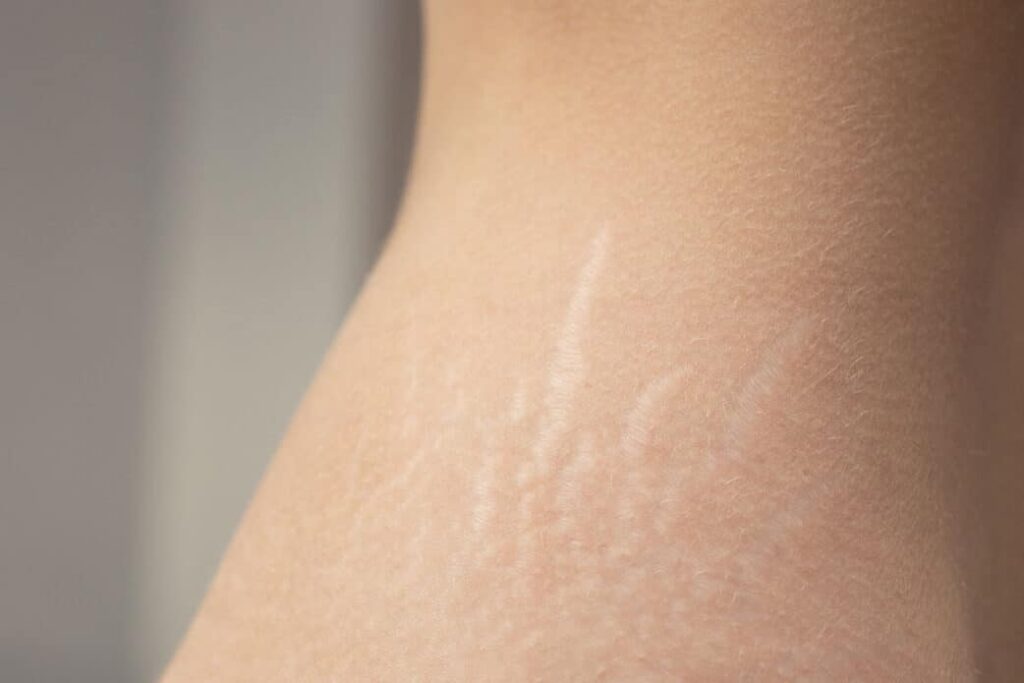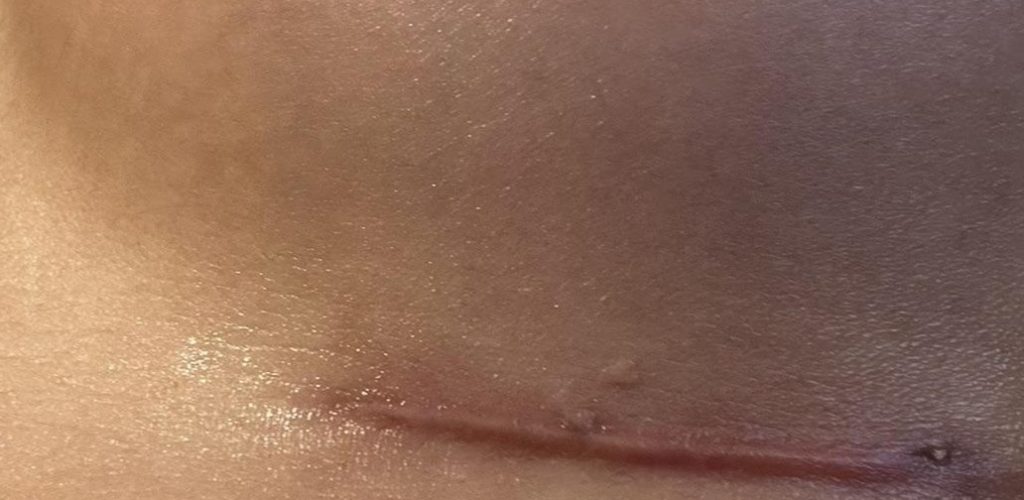
Surgical scar treatment refers to the advanced skin treatments used to soften the appearance, texture and colour of scars left by surgery, injury or medical procedures. A scar is permanent tissue, so the goal is never removal, but a scar that sits flatter and blends more closely with the skin around it. At North Skin in Mona Vale this happens in two stages. Cold Ozone Plasma and Hyper Plasma support the skin while a scar is still forming, then Skin Needling or Plasma Infusion remodel it once it has settled.
What surgical scar treatment can realistically change
Scar tissue forms differently to normal skin. Collagen is laid down quickly and in a disorganised pattern, which is why scars look shiny, raised, indented or paler than the skin around them. Treatment prompts the body to re lay it more evenly, supporting improved texture, a flatter surface and better colour blending. Complete erasure is not on the list, and results vary.
Scar type shapes the plan. Atrophic scars sit below the surface. Hypertrophic scars sit raised but stay within the original wound border. Keloid scars extend beyond it and need medical assessment first.
Starting early, while the scar is still forming
You do not have to wait for a scar to fully mature before anything can be done. Once the wound has closed and there is no broken skin, Cold Ozone Plasma and Hyper Plasma can be used while the scar is still young and remodelling. Both are non thermal and work on the skin surface without resurfacing it.
The aim at this stage is the environment the scar is forming in. Cold Ozone Plasma supports a cleaner, calmer surface and a more settled inflammatory picture. Hyper Plasma is the more corrective of the two, supporting oxygenation and recovery. Calmer skin tends to lay down more organised collagen, so this early window may influence how the finished scar looks.
What we will not do is treat over an open or weeping wound, stitches still in place, or any sign of infection. If you are newly post surgery, get clearance from your surgeon before booking.
Treating the settled scar: two routes to the same place
Once a scar has settled, the work shifts to remodelling the tissue already laid down. Two approaches do this, and they are closer than they look.
Skin Needling creates thousands of controlled microchannels through the scar, triggering the repair cascade and helping break down the tight, disorganised bundles that make a scar look and feel different. A clinical review of microneedling for scars describes it as well tolerated with a low risk of post inflammatory pigmentation. We often follow with Hyper Plasma in the same appointment, so the plasma works into freshly opened skin.
Plasma Infusion does both at once. The needling head, roller or stamp, delivers plasma through the microchannels as they are created, which makes the plasma more concentrated than following on afterwards. Same principle, delivered together rather than in sequence.
Plasma Fibroblast is the precision option, placing tiny controlled plasma points across the scar to trigger a fresh repair response where tissue has become stuck. It suits atrophic pitted scarring and raised hypertrophic scars where targeted work beats treating a whole area. Most plans layer more than one of these.
Who it suits and who it does not
Timing depends on the stage. Early plasma support needs closed, unbroken skin. Needling and infusion work needs a settled scar, usually several months on. Check with your surgeon or GP if you are unsure.
Treatment is not suitable over active infection, unhealed tissue or an area under medical investigation. Keloid scarring requires medical assessment first, and very dark skin tones need careful consultation because of pigmentation risk. We will not treat suspicious or irregular pigmented lesions unless a dermatologist has assessed them. This work supports the appearance and recovery of scarred skin. It is not a substitute for medical diagnosis or dermatology care.
What to expect and realistic timelines
Every plan begins with a thorough consultation and photographs so progress is tracked honestly. Early plasma sessions are comfortable with no social downtime. Needling, infusion and fibroblast work use topical numbing, after which the skin looks flushed and feels warm and tight, similar to mild sunburn. Most clients are comfortable in public within one to three days. Plasma Fibroblast leaves small carbon dots that lift over days three to seven.
Collagen remodelling is slow. Most clients need three to six sessions spaced four to six weeks apart, and improvement builds across the series rather than after one visit. Suitable clients may notice a softer, flatter scar with better colour blending from around the three month mark. Older scars can still improve with more patience. Results vary. More sits on our scar treatment page.
Surgical scar treatment FAQs
It depends on the treatment. Cold Ozone Plasma and Hyper Plasma can be used early, once the wound has closed and there is no broken skin, to support the scar while it is still forming. Needling, infusion and fibroblast work wait until the scar has settled. Check with your surgeon if you are unsure.
Both create microchannels through the scar to prompt collagen remodelling. With Skin Needling we usually follow with Hyper Plasma afterwards. Plasma Infusion delivers plasma through the needling head, roller or stamp, at the same moment the channels are made, so the plasma is more concentrated. Same principle, different delivery.
No. Scar tissue is permanent, and any treatment promising removal is overpromising. What advanced treatment can do is help improve the appearance of the scar, supporting a flatter surface, smoother texture and better colour match with the skin around it. Progressive improvement across a series is the realistic goal.
Yes. We treat surgical scars on the abdomen, chest, shoulders, arms and legs, as well as scars from injury and burns. Larger areas need a longer series, because body skin remodels more slowly than facial skin.
Raised scars that stay within the original wound border may respond to a series, and Plasma Fibroblast is often the precision option there. Keloid scars extend beyond the original wound and need medical assessment before any resurfacing treatment is considered. Bring the details to your consultation and we will advise honestly.
Most clients who come to us about a scar are not trying to erase it. They want the skin to feel more like their own again. If that sounds like you, our private studio in the heart of Mona Vale is a calm place to map a realistic plan.
Related reading: Uneven Skin Texture: What Causes It and How to Improve It and Skin Needling vs Plasma Fibroblast: What’s the Difference?