Uneven skin texture is skin that feels rough, bumpy or coarse to the touch and often looks dull, because light no longer reflects evenly off the surface. It usually comes down to a build-up of dead surface cells, enlarged pores, old acne scarring, sun damage or slowing collagen renewal. At North Skin in Mona Vale, Skin Needling is one of our our lead treatments for texture. It works by stimulating the skin’s own collagen to progressively smooth and refine the surface. Here is why texture changes, which treatments actually help, and what to realistically expect at our private studio on Sydney’s Northern Beaches.
What causes uneven skin texture?
Texture rarely has a single cause. Cell turnover slows through our 30s, 40s and 50s, so dead cells sit on the surface for longer and skin starts to feel rough and look flat. Old breakouts can leave shallow scarring and enlarged pores behind long after the acne itself has settled. Years of Northern Beaches sun add their own layer, thickening some areas and thinning others. Dehydration and a compromised skin barrier then exaggerate all of it.
Because these causes stack, texture tends to resist scrubs and home exfoliants. They work on the very top layer only, and overdoing them can leave skin reactive without changing the structure underneath. Lasting improvement usually needs treatments that encourage renewal from below the surface.
How Skin Needling helps smooth skin texture
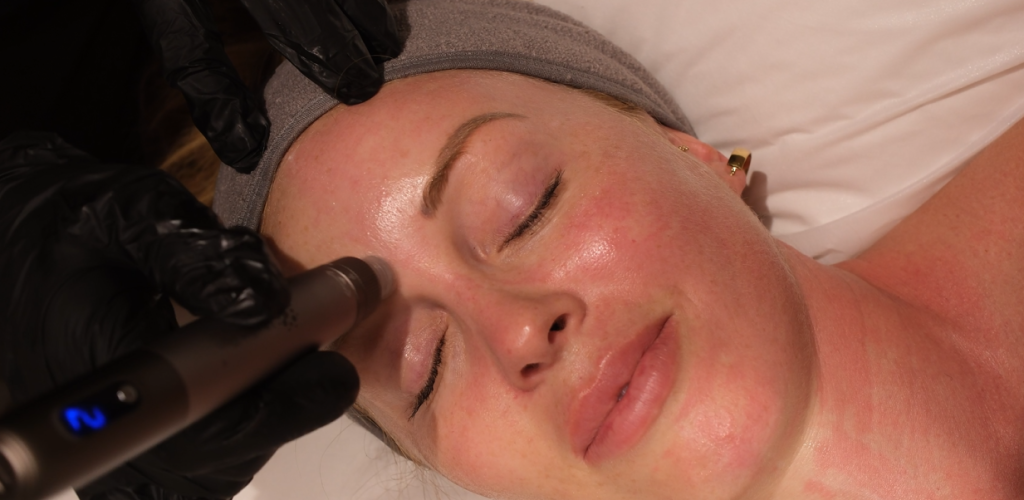
Skin Needling uses very fine needles to create controlled micro-channels in the skin. That tiny, deliberate stimulus triggers the skin’s wound-healing response, encouraging fresh collagen and elastin production. Over a series of sessions, this supports a smoother, more refined surface and may help improve the appearance of acne scarring, enlarged pores and general roughness. A published review in the Indian Dermatology Online Journal describes microneedling as a safe, effective and minimally invasive option across scarring, rejuvenation and texture concerns.
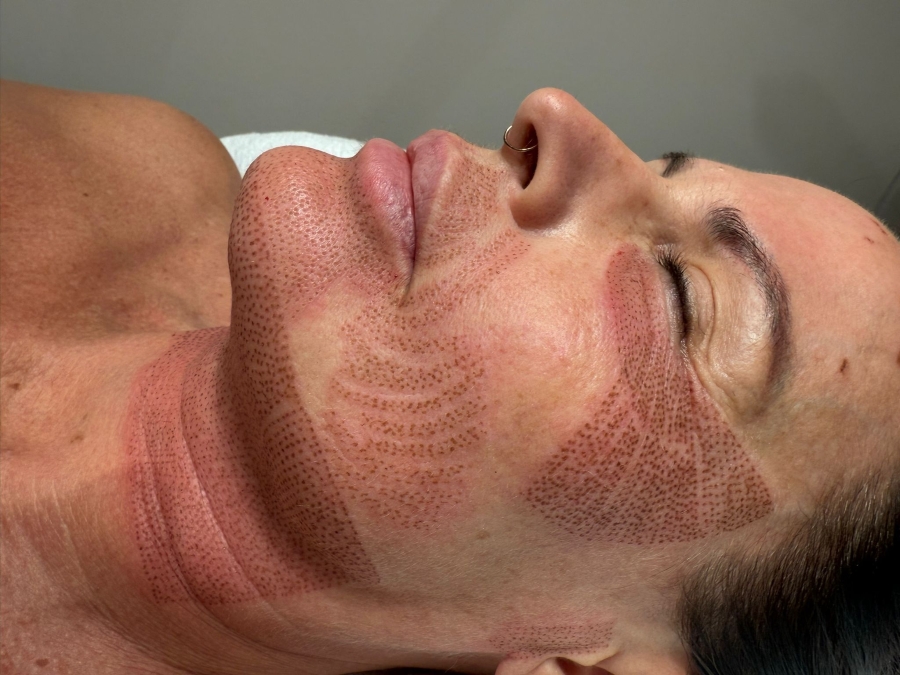
Depending on your skin, we may also recommend Plasma Infusion, which uses plasma-assisted microchannels to boost serum delivery and collagen support, or Diamond Plasma for pore and surface refinement. Where texture is tied to deeper, targeted scarring or laxity, Plasma Fibroblast can treat specific areas with precision. If you are weighing the plasma options, our guide to Plasma Fibroblast vs Warm Plasma is a helpful place to start. Every plan begins with a consultation, because the right combination depends on what is driving your texture.
Who suits Skin Needling, and who does not
Most skin types and tones suit Skin Needling, which is part of why we lead with it for texture. It is a good fit if your main concerns are roughness, uneven tone, enlarged pores, fine lines or old acne scarring.
It is not the right week for treatment if you have active breakouts, infection or significant inflammation in the area, and some medical conditions and medications need to be discussed first. Any suspicious or changing pigmented lesion must be assessed by a dermatologist or skin doctor before we treat near it. All treatments at North Skin begin with a thorough consultation, and results vary from person to person.
What to expect at your appointment
Your session starts with a skin assessment and a conversation about your goals. Topical numbing is applied, so treatment itself is very manageable. Most clients describe a light scratching sensation. The needling takes around 30 to 45 minutes, and where appropriate we finish with transdermal serums to support recovery.
Afterwards, expect redness similar to mild sunburn for 24 to 72 hours, sometimes with light flaking as the skin renews. Most clients are comfortable being social within a day or two. We send you home with clear aftercare, and daily SPF is non-negotiable while your skin is renewing.
Results: what changes, and when
Skin Needling is progressive by design. Collagen remodelling takes weeks, so visible improvement usually builds from around week four to six after each session. For texture, most clients see the best results from a series of three to six sessions spaced four to six weeks apart, with skin continuing to refine as the series progresses. Suitable clients may notice skin that feels smoother, holds makeup better and reflects light more evenly. Results vary depending on your skin, the cause of the texture and how consistently you follow aftercare.
Uneven skin texture FAQs
Bumpy, rough skin usually reflects a mix of dead cell build-up, congestion, old scarring and slowing collagen renewal, and sun damage often deepens it. Uneven skin texture is structural, which is why creams alone rarely shift it. A consultation can pinpoint what is driving yours and which treatment fits.
Mild roughness from dehydration or product build-up can settle with good skincare and SPF. Texture caused by scarring, enlarged pores or collagen loss tends to stay put without treatment, because the change sits deeper in the skin. Collagen-stimulating treatments like Skin Needling are designed to address that layer.
Most clients start with a series of three to six sessions, spaced four to six weeks apart. Deeper scarring sits at the higher end. You will usually see early improvement after one or two sessions, with results building progressively across the series. We map out a realistic plan at your consultation.
Not much. Topical numbing can be applied before treatment, and most clients describe the sensation as light scratching or gentle pressure rather than pain. Some areas, like the forehead, feel more than others. But all bearable! Redness afterwards feels similar to mild sunburn and typically settles within a couple of days.
Skin Needling is usually better for broad texture, tone and general scarring across larger areas. Plasma Fibroblast suits targeted concerns, deeper individual scars or areas where laxity is part of the picture. Many treatment plans use both at different stages. A consultation will tell you which your skin needs first.
If your skin has started to feel rougher than it looks in photos, you do not have to figure it out alone. Book a consultation at our private, calming studio in the heart of Mona Vale and we will build a texture plan that suits your skin, your timeline and your life on the Northern Beaches.