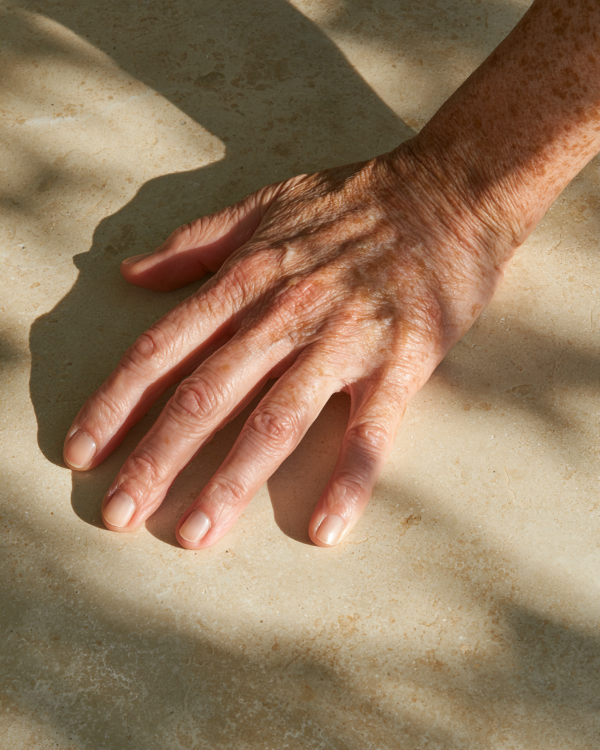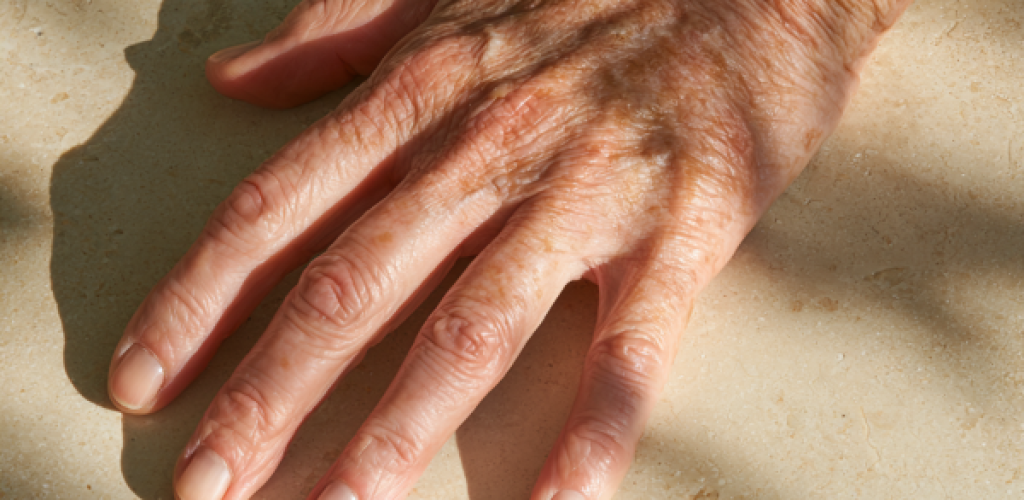
Sun spots on hands are flat brown marks that build up across the backs of the hands after years of sun exposure. Sometimes called age spots or solar lentigines, they tend to appear from our thirties onwards and become more noticeable over time, even when the face has been carefully protected. At North Skin in Mona Vale we support the appearance of sun spots on hands with Plasma Fibroblast pigmentation shading and Warm Argon Plasma, chosen according to whether the damage sits in defined spots or spreads across the whole back of the hand. Here is why they appear, what may help, and what realistic results look like.
What causes sun spots on hands?
Sun spots are a visible record of cumulative UV exposure. Over years of beach days, driving and everyday sun, pigment producing cells become overactive in patches, creating concentrated clusters of melanin close to the surface. Hands cop more sun than almost any other part of the body, and they are the area we most often forget to protect. Sunscreen applied in the morning is usually washed off by lunchtime, which is why the backs of the hands show damage earlier than the face. Most sun spots are harmless, but anything changing, irregular or raised should be assessed by a dermatologist or skin doctor before any cosmetic treatment.
How Plasma Fibroblast pigmentation shading works
Plasma Fibroblast is best known as a non surgical skin tightening treatment, but it also has a dedicated technique for sun damage. Pigmentation shading uses a diffuse application of plasma energy across the pigmented area, creating a controlled surface response that encourages the marked skin to lift away as it heals. Fresh skin is revealed underneath, and the treatment also stimulates fibroblast activity, which supports collagen renewal in skin that has often become thin and crepey on the backs of the hands. That combination is what makes it well suited to hands, because it targets the appearance of both the spots and the skin quality around them.
Where Warm Argon Plasma fits
Warm Argon Plasma is the more active resurfacing option. Where pigmentation shading works spot by spot, warm plasma works across a broader area, which suits hands where the pigment is diffuse rather than clustered and where tone, texture and crepey skin matter as much as the marks themselves.
It is the stronger of the two and needs clearer preparation and aftercare. Some plans use one, some use the other, and some use both across a series. Which way we go is decided at consultation, based on how your pigment is distributed, your skin tone and how much downtime you can realistically take.
Who it suits and who it does not
Every treatment begins with a thorough consultation, and hands are no exception. This suits clients with defined sun spots and sun related skin changes on the backs of the hands. Very dark skin tones require careful assessment before plasma treatment due to the risk of post treatment pigmentation changes. Any spot that looks suspicious, has changed recently or has an irregular border will not be treated until a dermatologist has assessed it, and this is not a substitute for a professional skin cancer check. Results vary.
What to expect, including honest downtime
Topical numbing is applied beforehand, and we send an SMS reminder about an hour before your appointment. After pigmentation shading, small carbon dots form and lift naturally over days three to seven, with pink new skin underneath. Warm plasma recovers differently, with more surface flaking across the treated area rather than defined dots.
Either way, hands are hard to hide. Allow seven to ten days of social downtime, and treat sun protection afterwards as non negotiable, because fresh skin will re pigment quickly if it is exposed unprotected.
Results and realistic timelines
Suitable clients may notice visible improvement in the appearance of sun spots on hands once the surface has healed, with continued refinement as collagen matures across weeks six to twelve. Research supports energy based treatment of solar lentigines, including a systematic review of clinical trials on solar lentigine treatments published via the National Library of Medicine. Denser sun damage can need more than one session. With daily sunscreen on the hands results can be long lasting, though new spots can still form with future sun exposure. Results vary. More sits on our pigmentation treatment page.
Sun spots on hands FAQs
Sun spots on hands are caused by cumulative UV exposure over many years. Pigment producing cells become overactive in patches, creating flat brown marks called solar lentigines. Hands often show them early because they get daily sun and are rarely reprotected with sunscreen through the day.
It depends on how the pigment is distributed. Plasma Fibroblast pigmentation shading suits defined, clustered spots and treats them precisely. Warm Argon Plasma resurfaces across a broader area, which suits hands where pigment is diffuse and tone and texture matter as much as the marks. Some plans use both.
Treatment supports the visible fading of sun spots on hands rather than promising removal. Plasma energy encourages the pigmented surface to lift away as the skin heals, and suitable clients may notice significant visible improvement. Results vary, and denser sun damage can need more than one session.
Most sun spots are harmless, but any spot that is changing, growing, raised or irregular should be assessed by a dermatologist or skin doctor first. North Skin will not treat suspicious or unassessed pigmented lesions, and cosmetic treatment is never a substitute for a professional skin cancer check.
After pigmentation shading, small carbon dots form and lift naturally over days three to seven, with fresh pink skin underneath. Warm plasma flakes more broadly instead. Because hands are visible, allow seven to ten days of social downtime either way, and strict daily sun protection afterwards to protect the result.
Many clients see visible improvement after a single session, while denser or long standing damage may need a follow up once the skin has fully healed. Your practitioner will map this out honestly at consultation. Results vary.
Sun spots on hands are one of those concerns that creep up quietly and then feel impossible to ignore. If yours have started to bother you, book a consultation at our private studio in the heart of Mona Vale and we will build a plan around your hands, your skin tone and your timeline.
Related reading: Sun Damage on the Chest and Décolletage and Plasma Fibroblast for Pigmentation and Age Spots.