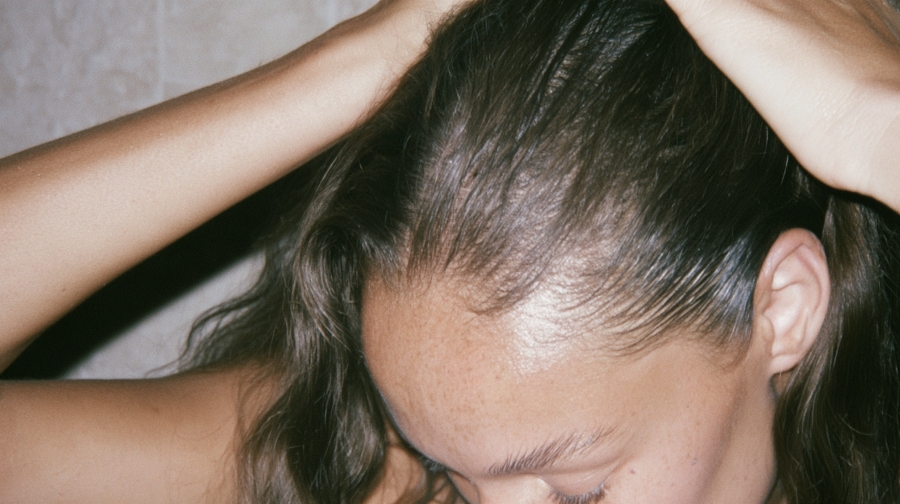
Perimenopause skin changes are the visible shifts in firmness, texture, hydration and tone that happen in the years leading up to menopause, often starting somewhere in the late thirties or forties. As oestrogen fluctuates and then declines, skin rebuilds collagen and elastin more slowly than it loses them. Firmness softens along the jaw, fine lines settle in, and skin can feel drier, thinner and more easily irritated than it used to. At North Skin in Mona Vale, we approach this from both sides: internal support through Naturopathy and Nutrition, and treatments such as Cosmetic Acupuncture and Plasma Fibroblast that support collagen renewal and visible skin quality.
What causes perimenopause skin changes
Oestrogen does a great deal of quiet work in the skin. It supports collagen production, helps hold water in the dermis, keeps oil production balanced and supports the barrier that protects against irritation. As levels become erratic and then fall, all of that support becomes less reliable. Research has documented a measurable drop in skin collagen in the years immediately following menopause, alongside reduced elasticity and thinning of the dermis, as set out in this review of skin ageing and the role of oestrogens published via the National Library of Medicine.
Sun exposure, sleep, stress and nutrition all sit on top of that hormonal shift. It is rarely one cause, which is why one product rarely solves it.
The changes women notice most
The pattern is consistent. Skin feels drier and tighter. Foundation sits differently. There is a softening along the jaw and around the eyes, and fine lines that used to fade overnight now stay put. Some women see breakouts return along the jaw and chin. Others find their skin has become reactive, stinging with products they have used happily for years. None of this means your skin is broken. The conditions it is working in have changed, so the approach needs to change too.
Where to start: internal skin support
Because perimenopause skin changes are driven from the inside, internal support is a sensible first layer. Our Naturopathy and Nutrition consultations look at the drivers that show up on skin, including inflammation, gut health, blood sugar balance, sleep, protein and micronutrient intake, and stress load. This is supportive care for skin health, not hormonal treatment, and it is not a substitute for medical diagnosis or care from your GP or specialist.
Cosmetic Acupuncture for vitality and facial tension
Cosmetic Acupuncture is the holistic option many clients gravitate to at this stage. It works by creating fine, controlled micro-stimulation in the skin, which encourages circulation and supports the skin’s own repair signalling. It also releases held tension through the jaw, brow and neck, which affects how rested a face looks more than most people expect. It suits clients who want a lower-tech, no-downtime approach, or who are managing sensitivity.
When laxity is the main concern
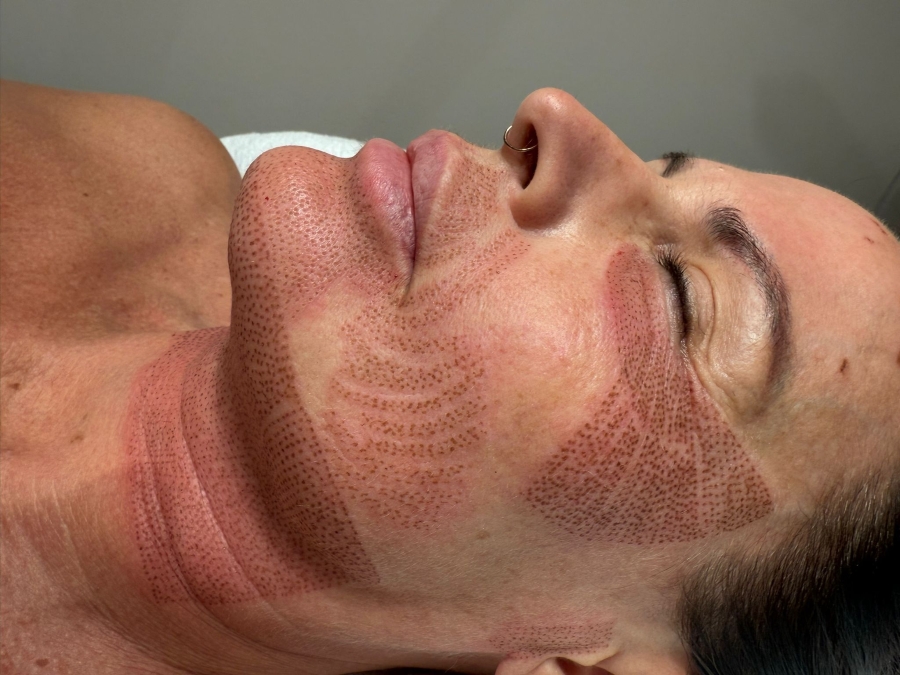
If the main concern is loose or crepey skin rather than dullness, Plasma Fibroblast is the treatment designed for it. It uses targeted plasma energy to create a controlled reaction on the skin surface, which activates the natural wound-healing response and stimulates fibroblast activity for collagen and elastin renewal. It is our strongest option for the upper eyelids, neck, jowls and crepey texture. Where texture and general skin quality are the issue rather than laxity, Skin Needling is often the better fit.
Who these treatments suit, and who they do not
Every treatment begins with a thorough consultation. Plasma Fibroblast requires real social downtime and is not suitable for active skin conditions in the treatment area, for concerns that are volume related rather than laxity related, or for very dark skin tones without careful assessment because of pigmentation risk. Any suspicious or changing pigmented lesion needs assessment by a dermatologist or skin doctor first. Cosmetic Acupuncture and internal support carry no downtime and suit almost everyone.
Results and realistic timelines
Collagen works slowly, so honesty matters here. With Plasma Fibroblast, carbon dots lift naturally over days three to seven, swelling is common early on, and the best of the result usually appears between weeks six and twelve as collagen matures. Cosmetic Acupuncture is progressive across a course rather than a single session, and internal support tends to show in skin quality over a few months. Results vary with skin type, lifestyle, healing response and aftercare.
Perimenopause skin changes FAQs
Most women notice the first changes somewhere between their late thirties and mid forties, though it varies widely. Dryness, a softer jawline and slower recovery from tiredness are often the earliest signs. Perimenopause skin changes can begin several years before any change in cycle becomes obvious, so skin is sometimes the first thing to shift.
Good skincare matters, and a barrier-supportive routine with daily sun protection makes a real difference to comfort and tone. It cannot rebuild lost structural collagen on its own. Skincare works best as the daily layer underneath treatments that stimulate collagen and internal support that addresses the drivers. Results vary.
Many clients find it a good fit at this stage. It suits skin that has become reactive, supports circulation and skin vitality, and releases facial tension. It requires no downtime, which matters when you cannot take a week away from work. Results build across a course of sessions rather than after one.
It depends on where the laxity sits and what is causing it. Plasma Fibroblast targets loose skin, so it works well for the upper eyelids, neck, jowls and crepey texture. Where the concern is volume loss or fat rather than laxity, it is not the right treatment, and we will say so at consultation.
Cosmetic Acupuncture tends to show in vitality and tension within a few sessions. Plasma Fibroblast shows initial tightening once healing settles at around two weeks, with the fuller result appearing from weeks six to twelve. Internal skin support usually shows in skin quality over two to three months. Results vary.
Perimenopause is a shift, and skin responds well when it is supported rather than attacked. If you are noticing changes and are not sure where to start, a consultation in our private studio in Mona Vale is the simplest first step. We will look at what your skin is doing, talk honestly about downtime, and build a plan that fits your life on the Northern Beaches.
Related reading: Plasma Fibroblast for Crepey Skin and Cosmetic Acupuncture on the Northern Beaches.