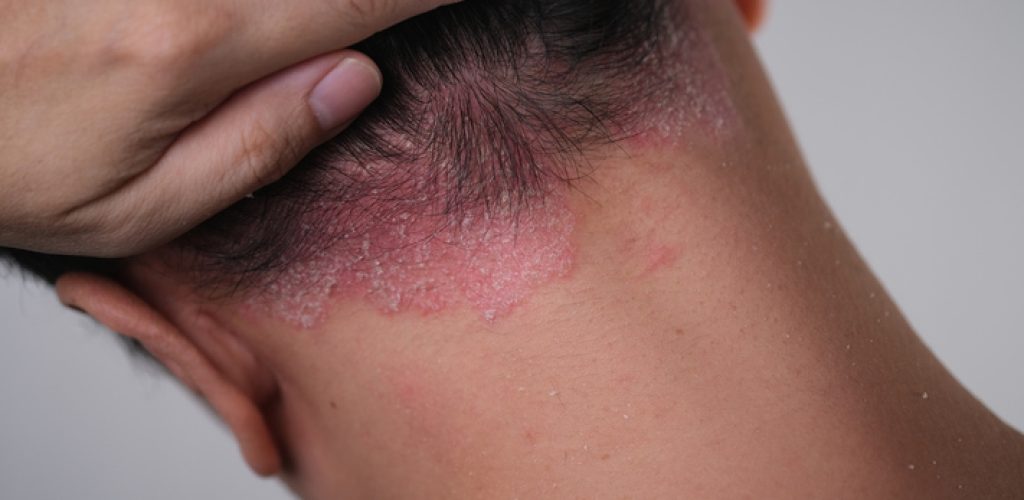
Psoriasis-prone skin is skin that flares into red, thickened or flaky patches, often triggered by stress, weather, friction or the wrong skincare. It is driven by inflammation and a faster than normal skin cell cycle, which is why harsh scrubs and strong actives tend to make it worse rather than better. At North Skin in Mona Vale, Cold Ozone Plasma and Hyper Plasma are low-temperature plasma treatments designed to support a calmer, cleaner and healthier-looking skin environment for reactive, psoriasis-prone skin. They are not a medical treatment for psoriasis, but suitable clients may notice calmer, more comfortable looking skin between flares.
Why psoriasis-prone skin behaves the way it does
Psoriasis is an inflammatory condition where skin cells renew far faster than usual, building into visible plaques and flaking. Skin that is psoriasis prone sits on high alert even when it looks settled. The barrier is often compromised, moisture escapes more easily, and everyday triggers such as stress, cold weather or friction from clothing can set off a flare. That reactivity is the reason so many conventional cosmetic treatments are off the table. Anything abrasive, heat based or aggressive risks provoking the very response you are trying to avoid. The goal with psoriasis-prone skin is not correction. It is calm, consistent support for the skin environment.
How Cold Ozone Plasma and Hyper Plasma may help
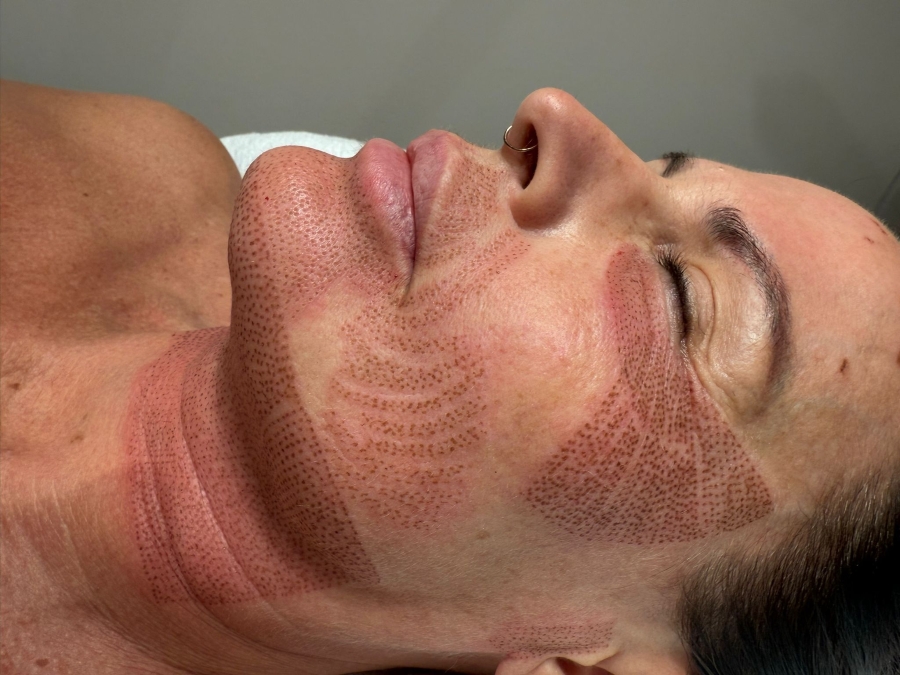
Both treatments are forms of Cold Atmospheric Plasma, known as CAP. CAP is non-thermal plasma delivered at skin-tolerable temperatures, typically around 30 to 40 degrees, and it works by generating reactive oxygen and nitrogen species on the skin surface without heat damage. Cold Ozone Plasma is the calming, barrier-supportive option. It is designed to sterilise the skin surface, support oxygenation and encourage a calmer microbial and inflammatory environment. Hyper Plasma is a higher energy CAP variant used where stronger regenerative support is wanted, and it also helps increase skin permeability so calming serums can absorb more effectively. Early research in plasma dermatology suggests CAP may help support skin affected by inflammatory conditions, including psoriatic lesions, though larger clinical studies are still needed (Plasma Dermatology: Skin Therapy Using Cold Atmospheric Plasma, PMC).
Who this approach suits, and who it does not
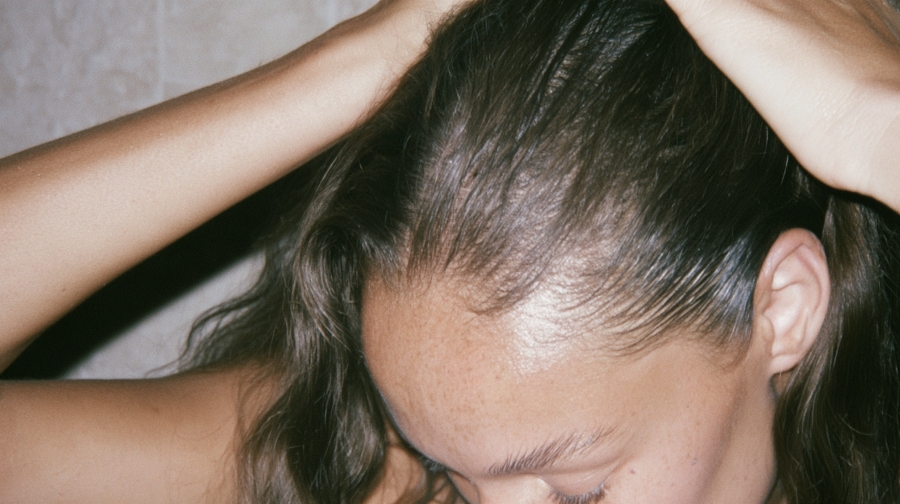
This approach suits people with psoriasis-prone, reactive or easily irritated skin who want gentle, non-invasive support between flares, and those whose skin cannot tolerate stronger resurfacing treatments. It also suits scalps affected by scalp psoriasis, where Scalp Plasma may help support a calmer scalp environment. It is not a replacement for medical care. Plasma treatments are not a substitute for medical diagnosis or dermatology care, and anyone with severe, spreading or unmanaged psoriasis should be working with their doctor or dermatologist first. Every North Skin treatment begins with a thorough consultation so we can assess whether your skin is in a suitable state to treat.
What to expect in a treatment
Cold plasma treatments are gentle. There is no numbing needed, no carbon dots and no wound-healing process. The applicator is passed over the skin at a low, skin-tolerable temperature, and most people describe the sensation as mild warmth or light tingling. A session typically finishes with barrier-supportive serums, which absorb more effectively after Hyper Plasma. There is no social downtime. Skin may look slightly flushed for a short period afterwards, and you can generally return to your normal day straight away. Aftercare is simple: gentle products, no active exfoliants for a few days, and consistent sun protection.
Results and realistic timelines
Cold plasma is a supportive, progressive treatment rather than a one-off fix. Suitable clients may notice skin that looks and feels calmer after the first few sessions, with progressive improvement in the appearance of redness and irritation as sessions continue. Most plans involve a series of weekly or fortnightly sessions, adjusted to how your skin responds. Results vary from person to person, and flares can still happen, as psoriasis is influenced by internal factors including stress, immunity and hormones. For that reason, internal support through Naturopathy and Nutrition may also be discussed as part of your plan.
Psoriasis-prone skin FAQs
No. Psoriasis is a medical condition and plasma treatments do not cure it. Cold Ozone Plasma and Hyper Plasma are designed to support the appearance and comfort of psoriasis-prone skin by encouraging a calmer, cleaner skin environment. They work alongside, not instead of, your medical care, and results vary.
It is one of the gentlest treatments in the clinic. Cold Ozone Plasma is non-thermal and delivered at skin-tolerable temperatures, with no abrasion and no downtime. Every treatment starts with a thorough consultation, and we will not treat skin that is broken, infected or in a severe flare.
Most clients start with a series of four to eight sessions, spaced weekly or fortnightly, then move to occasional maintenance. Psoriasis-prone skin tends to respond best to consistency rather than intensity, so your plan is adjusted to how your skin responds. Suitable clients may notice calmer-looking skin within the first few sessions.
It depends on the flare. Mild, settled areas may still be treatable, but broken, cracked or highly inflamed skin needs time, and sometimes medical review, first. We assess your skin at every visit and will always err on the side of caution with psoriasis-prone skin.
Yes. Plasma treatments are cosmetic support, not medical treatment, and they are not a substitute for medical diagnosis or dermatology care. If your psoriasis is new, changing, spreading or affecting your quality of life, see your GP or dermatologist. We are happy to work alongside your medical team.
Living with psoriasis-prone skin often means being told what you cannot do. A calm, supportive approach offers another path. If you would like to talk through whether Cold Ozone Plasma or Hyper Plasma is right for your skin, we would love to see you for a consultation in our private studio in the heart of Mona Vale.
Related reading: CAP Therapy for TSW and What is Cold Atmospheric Plasma (CAP)?