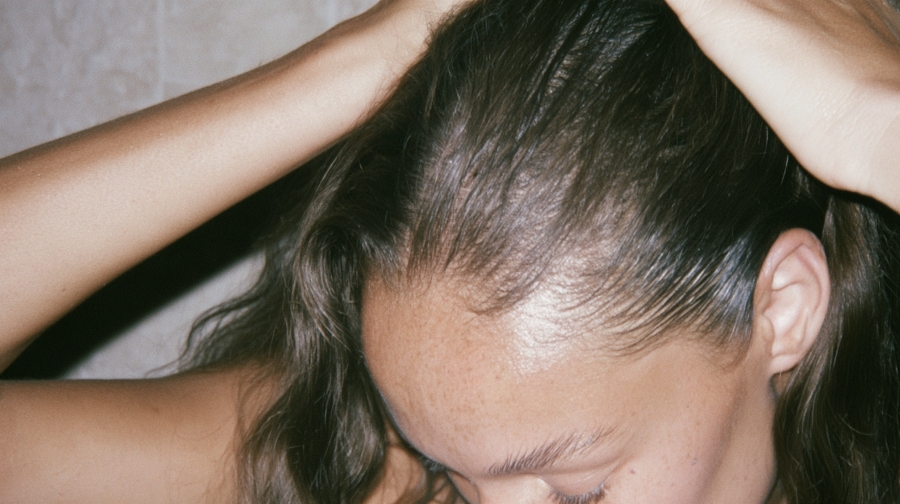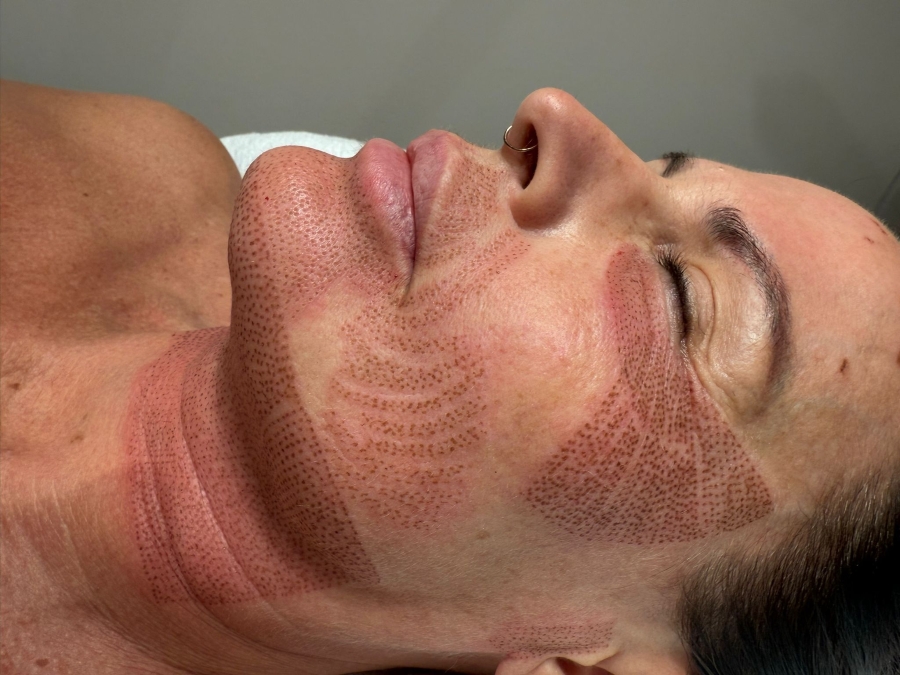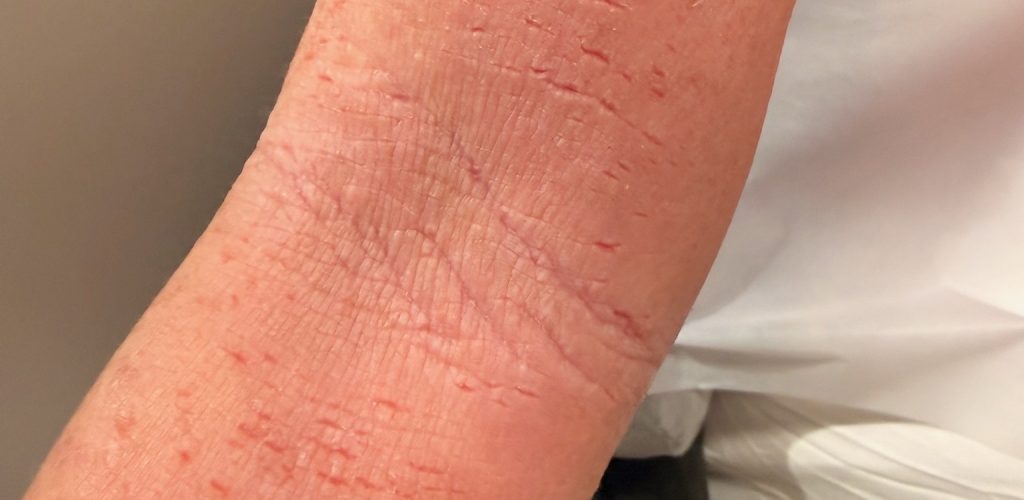
CAP therapy for TSW is a low-temperature plasma treatment that uses cold atmospheric plasma, known as CAP, to support calmer, cleaner and more comfortable-looking skin during topical steroid withdrawal. At North Skin in Mona Vale, CAP is used as a gentle, non-thermal way to support reactive, inflamed-looking skin while the barrier rebuilds. Topical steroid withdrawal can leave skin red, raw, weepy and intensely sensitive, and many people across the Northern Beaches and wider Sydney are looking for supportive options that do not overload an already overwhelmed barrier. CAP therapy is one of those calm, considered options.
What CAP therapy for TSW actually is
Topical steroid withdrawal, often shortened to TSW, is a reaction that can occur when long-term topical steroid use is stopped. The skin can flare with redness, burning, flaking, oozing and a level of sensitivity that makes ordinary skincare feel impossible. CAP therapy for TSW uses cold atmospheric plasma, a non-thermal plasma delivered at skin-tolerable temperatures of around 30 to 40 degrees Celsius. It works on the surface of the skin without the heat or aggression of many resurfacing treatments, which is why it can suit a barrier that is already compromised.
CAP is not a steroid and it is not a medication. It is a physical therapy that generates reactive oxygen and nitrogen species at the skin surface. This is the same family of plasma used in our Cold Ozone Plasma and Hyper Plasma treatments, applied here with a calm, barrier-first intention.
How CAP therapy works on reactive skin
CAP works by ionising air to create a low-temperature plasma that helps settle a stressed skin environment. On skin going through TSW, the surface is often colonised by bacteria, easily inflamed and slow to calm down. CAP supports a cleaner microbial environment, encourages oxygenation and helps create conditions where the barrier can begin to recover. A growing body of research into cold atmospheric plasma in dermatology points to its antibacterial action and its role in supporting wound healing at the skin surface.
The goal is not to force the skin into submission. It is to reduce the surface load it is fighting, so the skin can do what it is designed to do. Suitable clients may notice that the skin looks calmer and feels less reactive over a course of sessions, although results vary from person to person.
It is worth being clear here. CAP therapy is designed to support the appearance and recovery of the skin. It is not a substitute for medical diagnosis or dermatology care, and TSW often needs a wider support plan.
Who CAP therapy for TSW is suitable for
CAP therapy may suit people whose skin is reactive, inflamed-looking, sensitised or going through steroid withdrawal, as well as those with eczema-prone, rosacea-prone or dermatitis-affected skin. Because it is non-thermal and gentle, it is one of the few advanced options that can be considered for a fragile barrier.
A thorough consultation always comes first. We look at where your skin is in its TSW journey, what else is happening on the skin, and whether CAP is the right step right now. Some skin is too acutely flared for any active treatment, and in those cases we will say so. We will also refer you back to a GP or dermatologist where a concern needs medical assessment.
What to expect during and after CAP therapy
CAP therapy is one of the more comfortable treatments we offer. It is non-thermal, so there is no burning sensation and none of the visible downtime involved in plasma fibroblast. Most clients describe it as gentle and surprisingly calming.
There is no numbing required and no carbon dots or visible wounding. Skin may look slightly pink afterwards and feel a little warm, but this generally settles quickly. You can return to your day. We will talk through simple aftercare focused on barrier support, gentle products and sun protection, which matters in the Northern Beaches climate.
Results: a realistic timeline
TSW is rarely linear, and CAP therapy reflects that. This is supportive, progressive work rather than a single dramatic fix. Many clients have a course of sessions spaced according to how their skin is responding, and the appearance of calm tends to build gradually.
Some people notice their skin looks less angry and feels more settled within the first few sessions. Others need longer, especially if the withdrawal is in an earlier, more acute phase. Results vary, and we will always be honest with you about what we are seeing.
Frequently asked questions
Is CAP therapy safe for TSW?
CAP therapy is non-thermal and gentle, which is why it can be considered for the fragile, reactive skin associated with TSW. Every treatment begins with a thorough consultation to check your skin is suitable. CAP therapy supports the appearance and recovery of the skin, but it is not a substitute for medical care, and results vary.
How does CAP therapy help topical steroid withdrawal?
CAP therapy works by creating a low-temperature plasma at the skin surface that supports a cleaner microbial environment and encourages oxygenation. For skin going through topical steroid withdrawal, this may help create calmer conditions for the barrier to recover. It does not cure TSW, and many people need wider support alongside it.
Does CAP therapy hurt?
No. CAP therapy is one of the more comfortable treatments at North Skin. It is non-thermal, so there is no burning and no numbing needed. Most clients find it gentle and calming. Skin may look slightly pink afterwards, but there is no significant downtime, which makes it well suited to sensitised skin.
How long does CAP therapy take to work?
This varies. Some suitable clients notice calmer-looking skin within the first few sessions, while others need a longer course, particularly during a more acute TSW flare. CAP therapy for TSW is progressive, supportive work rather than an instant result, and we will review your skin honestly at each visit.
Can I have CAP therapy for TSW on the Northern Beaches?
Yes. North Skin is a private skin studio in Mona Vale on Sydney’s Northern Beaches, and CAP therapy is part of our calming plasma offering. We see clients from across the Northern Beaches and wider Sydney for reactive and steroid-withdrawal skin. Everything starts with a consultation to confirm CAP is right for you.
If your skin is going through topical steroid withdrawal and you are looking for a calm, considered option, CAP therapy may be worth exploring. You can read more in our companion guide on cold plasma therapy for eczema and TSW, or book a consultation at our private studio in Mona Vale on the Northern Beaches to talk it through.