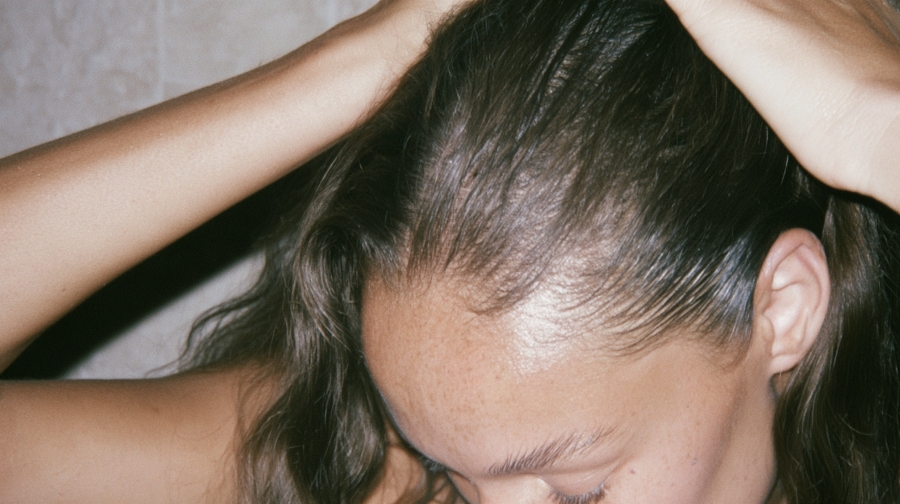
Adult acne is acne that continues past your twenties, or appears for the first time in your 30s, 40s or beyond, and it is usually driven by hormones, stress, inflammation and barrier damage rather than poor cleansing. At North Skin in Mona Vale, we support acne-prone skin from two directions: gentle low-temperature plasma treatments, Cold Ozone Plasma and Hyper Plasma, designed to calm the skin surface, and internal support through Naturopathy and Nutrition. Here is why adult acne is so persistent, what may actually help, and what to expect at our private studio on Sydney’s Northern Beaches.
Why adult acne happens (and why it will not budge)
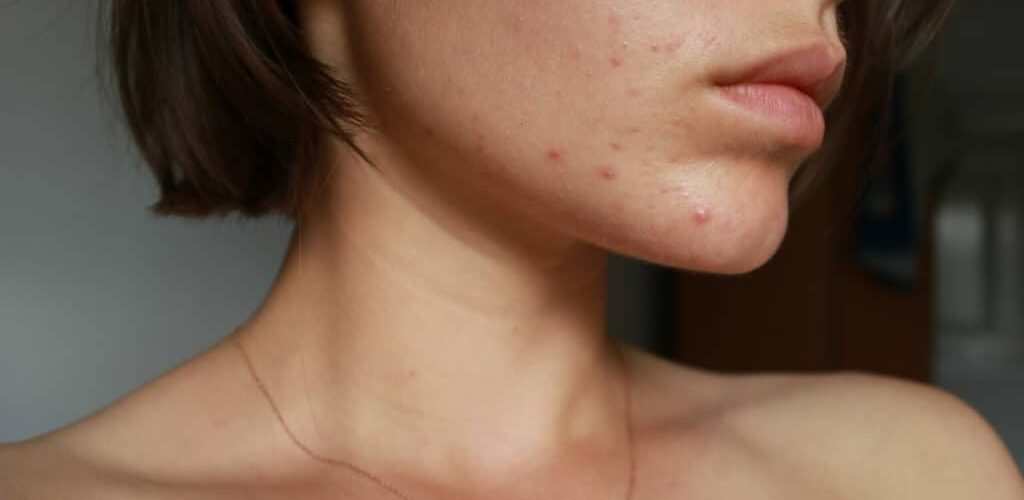
Adult breakouts behave differently to teenage ones. They tend to sit along the jaw, chin and lower cheeks, flare with your cycle or a stressful week, and linger as slow-healing, tender bumps rather than quick surface spots. Hormonal shifts, including perimenopause, change how much oil the skin produces and how it behaves. Stress raises cortisol, which feeds inflammation. And years of harsh actives or over-cleansing can leave the barrier compromised, so skin manages to be oily and reactive at the same time.
A clinical practice guide published in the Anais Brasileiros de Dermatologia notes that adult female acne usually needs long-term, layered management rather than a single quick fix. That matches what we see in clinic. Skin does best when the surface and the internal drivers are addressed together.
How plasma treatments support acne-prone skin
Cold Ozone Plasma is a form of Cold Atmospheric Plasma (CAP), delivered at low, skin-tolerable temperatures. It works by sterilising the skin surface, supporting oxygenation and helping create a calmer, cleaner skin environment, which matters when breakouts are fed by bacteria and inflammation. Hyper Plasma is a higher-energy CAP treatment that supports regeneration and increases the skin’s permeability, which is why we often pair it with targeted serum infusion.
Neither treatment is a medical cure for acne. They are designed to support calmer, healthier-looking skin, help reduce the appearance of congestion and redness, and help the skin recover between flares. Because they are non-thermal and gentle, they also suit skin that is too reactive for stronger resurfacing treatments. If your skin leans more reactive than congested, our post on cold plasma therapy for eczema and TSW explains how CAP supports sensitised skin.
Supporting the internal drivers
When acne keeps returning, there is usually a reason beyond the surface. Our naturopath looks at hormones, gut health, nutrition and stress, the internal drivers that skincare cannot reach, and builds support around your history and, where relevant, your test results. For many clients this is the missing piece. The plasma treatments calm the surface while the internal work addresses why breakouts keep being triggered.
Who suits this approach, and who needs medical care first
This approach suits adults with persistent congestion, hormonal breakouts, or inflamed, acne-prone skin that is also sensitive, and anyone who wants to avoid harsher options while their skin is flaring.
Severe, cystic or scarring acne should be assessed by a GP or dermatologist, and our treatments are not a substitute for medical diagnosis or dermatology care. We are always happy to work alongside your medical team. As with everything at North Skin, every plan begins with a thorough consultation, and results vary.
What to expect in the treatment room
Plasma sessions for acne-prone skin are calm and comfortable. No numbing is needed, treatment feels warm or lightly tingly, and a session typically takes 30 to 45 minutes. There is no real downtime, though some clients look slightly flushed for an hour or so afterwards. Most clients start with a short series of sessions, then space them out as the skin settles. Once active breakouts are consistently calmer, any leftover scarring can be addressed with Skin Needling or Plasma Fibroblast, depending on the severity.
Results and realistic timelines
Expect progressive change, not overnight transformation. Suitable clients may notice skin that looks calmer and less congested within the first few sessions, with clearer improvement over six to twelve weeks as the series builds and internal support takes effect. Progress photos help, because gradual change is easy to miss in the mirror. Results vary with hormones, stress, consistency and how long the acne has been active.
If your skin is still breaking out long after it was supposed to stop, come and talk it through. Book a consultation at our private, calming studio in the heart of Mona Vale and we will build a plan that supports your skin from both directions, here on the Northern Beaches.
What about acne scarring?
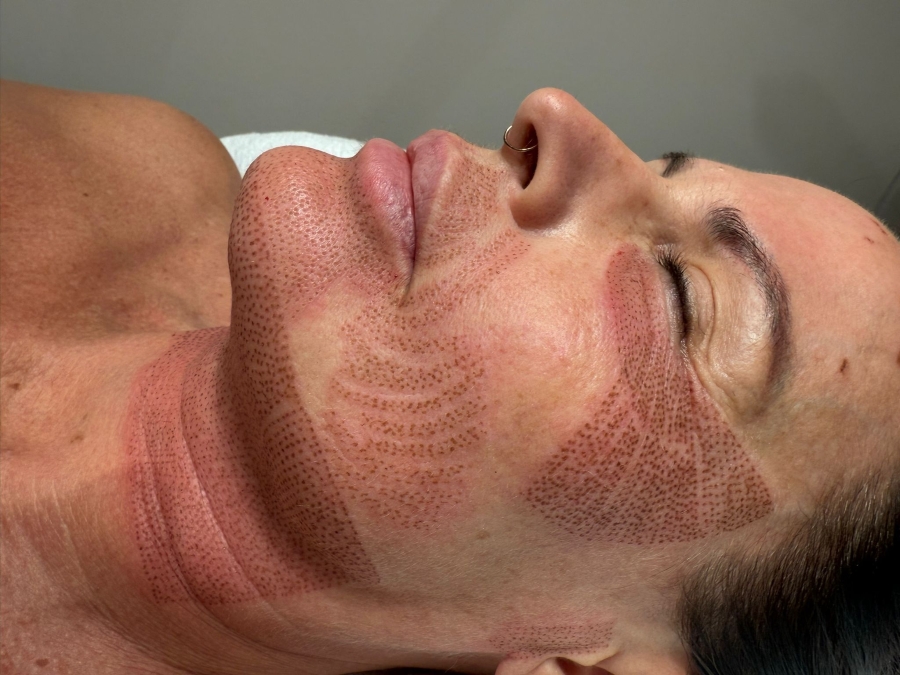
For clients with textural acne scarring, we would look at Plasma Fibroblast. It works by creating controlled micro-points of plasma energy on the skin, which prompts a tightening and remodelling response in the tissue underneath. For indented scarring in particular, that remodelling is what helps soften the edges of a scar so it catches the light less harshly. Some clients suit Skin Needling instead, or the two in sequence, depending on how the scarring presents.
Timing matters. We do not treat scarring while acne is actively inflamed, because working on skin that is still breaking out can aggravate it. Scar work comes once the surface has settled. Plasma Fibroblast does involve downtime, unlike the plasma treatments above, so we walk through exactly what that looks like at consultation. Results vary with scar type, depth and how long the scarring has been there.
Adult acne FAQs
Hormonal shifts, stress and a compromised skin barrier are the usual drivers of adult acne. Oil production changes, inflammation rises and skin becomes more reactive, so breakouts appear even with a good routine. It is common, especially in women, and it responds best to consistent surface and internal support.
No treatment can promise a cure, and it is worth being wary of any clinic that does. Adult acne can be supported and managed well, though. Calming the skin surface, addressing internal drivers and staying consistent may help reduce how often and how severely you break out. Results vary.
Cold Ozone Plasma supports acne-prone skin by sterilising the surface, calming visible inflammation and helping create a healthier-looking skin environment. It is gentle, non-thermal and has no real downtime, which makes it suitable for reactive skin. It supports the skin rather than treating acne as a medical condition.
If your acne is severe, cystic, scarring or affecting your mental health, see your GP or a dermatologist first. Our treatments support the appearance and recovery of acne-prone skin but are not a substitute for medical care. Many clients combine both, and we are glad to work alongside your doctor.
Internal support makes a real difference for hormonal breakouts. Naturopathy and nutrition can address hormone balance, gut health and inflammation, while gentle in-clinic treatments keep the surface calm. Managing stress and sleep matters more than most people expect. A consultation helps map which drivers are most active for you.
Textural acne scarring, the indented or raised kind, does not fade on its own and may be improved with Plasma Fibroblast, which prompts the skin to remodel and tighten in the treated area. Flat brown or red marks are pigmentation rather than scarring and often settle over time. We assess scarring once active breakouts are calm, never during a flare. Results vary.