Skin needling vs plasma fibroblast is a comparison between two collagen-stimulating skin treatments that work in different ways: skin needling renews texture and skin quality across a broad area, while plasma fibroblast targets skin tightening and laxity in specific spots. At North Skin in Mona Vale, both sit within our advanced skin offering, and the right choice depends on your concern. If you have been researching how to firm, smooth or refine your skin without surgery, these two names come up often on the Northern Beaches. They are not the same treatment, and understanding the difference makes it much easier to choose.
What skin needling is
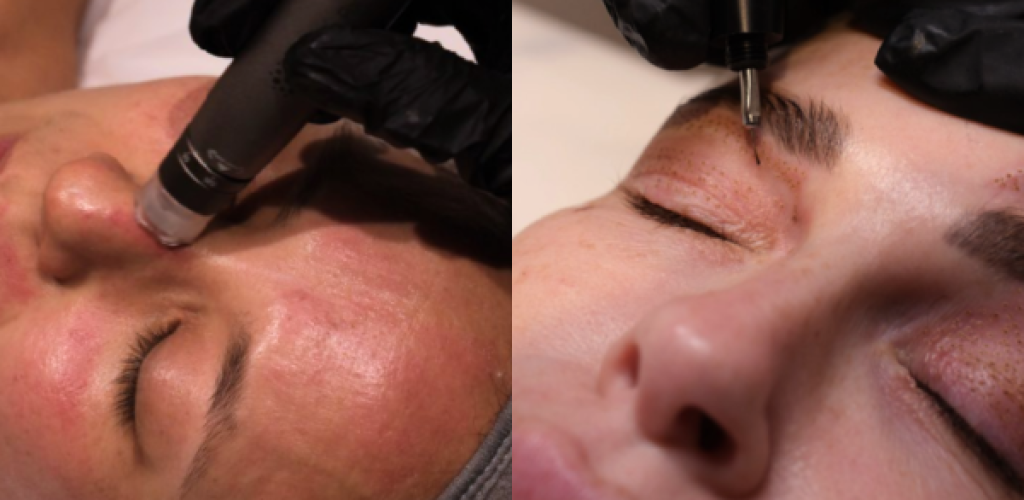
Skin needling, also called microneedling or collagen induction therapy, uses a device with fine needles to create controlled micro-channels in the skin. These tiny channels trigger the skin’s natural repair response, which encourages fresh collagen and elastin. A review of microneedling in dermatology found it supports improvements in texture, acne scarring and overall skin quality.
Because it treats a broad area evenly, skin needling is well suited to general skin renewal. It refreshes tone and texture across the whole face rather than tightening one specific zone. At North Skin, skin needling is used as a supporting treatment for collagen renewal and smoother-looking skin.
What plasma fibroblast is
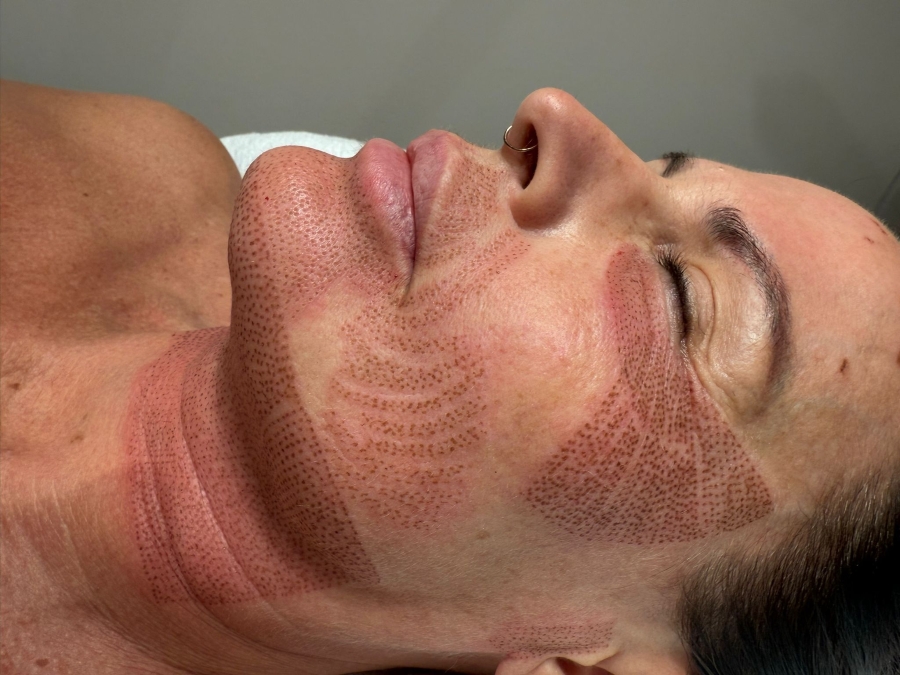
Plasma fibroblast, also known as PlasmaPen, is the hero treatment at North Skin. It is a non-surgical skin tightening treatment that uses targeted plasma energy to create a controlled reaction on the skin surface. This activates the body’s wound-healing response and stimulates fibroblast activity, supporting collagen and elastin renewal.
The difference is focus. Plasma fibroblast is precise and targeted, which is why it is often chosen for specific areas of laxity like hooded eyes, the neck, jowls and crepey skin. It is designed to tighten and lift, rather than to resurface the whole face.
The key difference: texture versus tightening
Here is the simplest way to think about it. Skin needling is better for broad collagen renewal, texture and skin quality. Plasma fibroblast is better for targeted tightening and skin laxity.
If your main concern is uneven texture, fine surface lines, enlarged pores or acne scarring across a wider area, skin needling is often the more natural fit. If your main concern is loose or hooded skin in one specific place, plasma fibroblast is usually the stronger option. Many clients use them for different concerns over time, and some treatment plans combine advanced options for a more complete result.
Who each treatment suits, and safety
Skin needling suits people wanting all-over improvement in texture, tone and skin quality, and it can be used on most skin types. Plasma fibroblast suits people with targeted skin laxity who are prepared for more downtime in exchange for a tightening result.
Both treatments begin with a thorough consultation. Plasma fibroblast is not suitable where heaviness is caused by fat rather than skin laxity, and very dark skin tones require careful assessment first due to pigmentation risk. North Skin will not treat suspicious or unassessed pigmented lesions. Neither treatment is a substitute for medical or dermatological care where a concern needs medical assessment. Results vary between individuals.
What to expect: downtime compared
The downtime is quite different, and this often guides the decision.
Skin needling generally involves redness that looks a little like mild sunburn, usually settling over one to three days. It is a lower-downtime treatment that fits more easily around daily life.
Plasma fibroblast involves real downtime. Tiny carbon dots form across the treated area and lift naturally over about three to seven days, and swelling is common, especially near the eyes. Most people plan for seven to ten days of social downtime. It asks more of you upfront, in exchange for a targeted tightening effect. North Skin explains the aftercare for either treatment clearly before you book.
Results: timelines compared
Both treatments are progressive, because collagen takes time to renew.
With skin needling, skin often looks fresher and smoother in the weeks after a session, and a course of treatments is usually recommended to build and maintain results in texture and tone.
With plasma fibroblast, the initial healing settles within a couple of weeks, and the more meaningful tightening tends to appear from around six to twelve weeks as collagen matures. When laxity is the main concern, plasma fibroblast results may last around two to four years, depending on your skin, lifestyle and natural ageing.
Still not sure which suits your skin? That is exactly what a consultation is for. You are welcome to visit our private, calming studio in the heart of Mona Vale on the Northern Beaches, where we can look at your skin and help you choose between skin needling and plasma fibroblast, or a plan that uses both. You may also like our guides to plasma fibroblast for hooded eyes and plasma fibroblast for the neck.
Skin needling vs plasma fibroblast FAQs
Neither is better overall, because they do different jobs. Skin needling vs plasma fibroblast really comes down to your concern: needling for broad texture and skin quality, plasma fibroblast for targeted tightening and laxity. A consultation at North Skin is the clearest way to match the treatment to your skin.
They are generally used for different concerns rather than on the same spot at the same time. Some clients have plasma fibroblast for a specific area of laxity and skin needling for overall texture, spaced appropriately. Your practitioner will plan the timing and order at your consultation.
Plasma fibroblast has noticeably more downtime. It involves carbon dots and swelling, with around seven to ten days of social downtime. Skin needling usually involves a day or a few of redness. If downtime is a deciding factor for you, this difference matters.
Skin needling is often favoured for acne scarring and texture because it renews collagen across a broader area. Plasma fibroblast is more targeted at tightening. For scarring specifically, many plans lean on needling, sometimes alongside other options, which is assessed individually.
When skin laxity is the concern, plasma fibroblast results may last around two to four years. Skin needling results in texture and tone are usually maintained with an ongoing course. Both are progressive, and neither stops the natural ageing process.