Crepey skin has a way of appearing quietly. You notice it first on the neck, across the décolletage, or in the soft area beneath the eyes, where the surface starts to look thin, finely lined and a little loose. It is one of the most common concerns we hear from women on the Northern Beaches, and it rarely responds to skincare alone. Plasma fibroblast crepey skin treatment is a non-surgical option designed to support firmer, smoother looking skin in these delicate areas. Here is how it works, who it suits, and what to realistically expect.
What crepey skin actually is
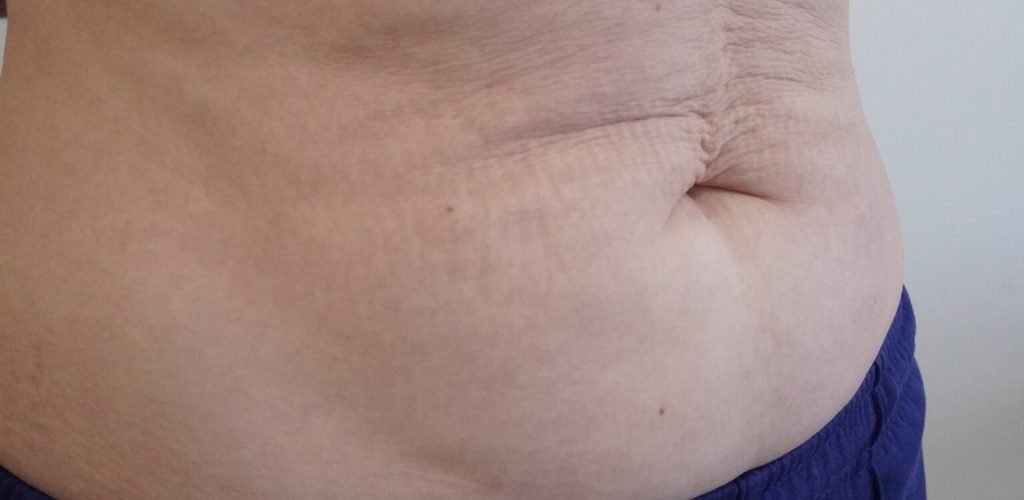
Crepey skin describes a finely wrinkled, paper-thin texture, a little like crepe paper, that tends to develop where the skin is naturally thinner. The neck, the upper chest, the backs of the hands and the area around the eyes are common sites. It is not quite the same as a deep static wrinkle or a loss of facial volume.
Crepiness is usually about skin quality. Over time the skin produces less collagen and elastin, the two proteins that keep it firm and springy. Years of sun exposure speed this up, which is why crepey skin so often appears on areas that catch the most light. The result is a surface that looks crinkled and slack rather than smooth and supported.
How plasma fibroblast targets crepey skin
Plasma Fibroblast is our hero treatment, and it works by creating a controlled reaction on the skin surface using targeted plasma energy. That small, precise reaction prompts the body’s natural wound-healing response and stimulates fibroblast activity. Fibroblasts are the cells responsible for producing fresh collagen and elastin.
As the skin recovers and that new collagen matures, the surface is supported from within. For crepey areas, this is the point. Rather than sitting on top of the skin like a cream, plasma fibroblast works to encourage renewal in the deeper layers, which helps improve the appearance of firmness, smoothness and tone. It is particularly suited to thin, lax areas where skincare alone tends to fall short, such as the upper and lower eyelids, the neck and the décolletage.
Who it suits, and who it does not
Plasma fibroblast crepey skin treatment tends to suit clients whose main concern is skin quality and laxity rather than lost volume. If the skin looks thin, crinkled and a little loose, it may be a good fit.
It is not the right choice for everyone. Where the concern is volume loss or underlying fat rather than skin laxity, plasma fibroblast is not the appropriate treatment. Very dark skin tones require careful consultation beforehand, due to the risk of pigmentation change. We also will not treat any suspicious, changing or irregular pigmented lesion unless it has first been assessed by a dermatologist or skin doctor. Every treatment begins with a thorough consultation so we can confirm suitability and set realistic expectations. Results vary from person to person.
What to expect: prep, treatment and downtime
For plasma fibroblast, some clients apply a topical numbing cream before their appointment. We send an SMS reminder around an hour beforehand so there is time to apply it, and top-ups may be used during treatment where appropriate.
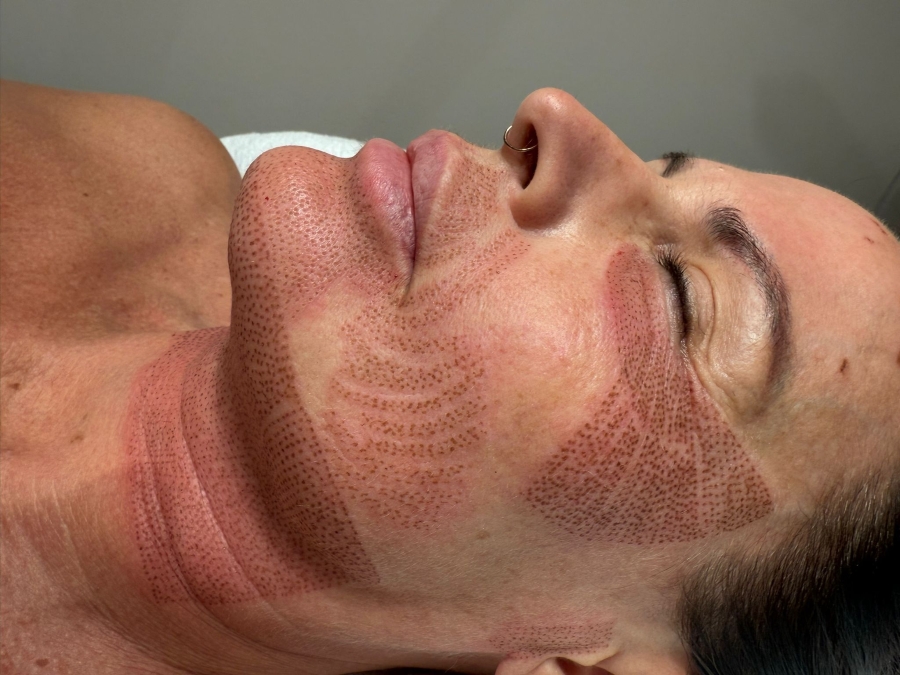
This treatment involves real downtime, and we would rather you know that upfront. Small carbon dots appear on the skin after treatment and lift away naturally over roughly three to seven days. Swelling is common, especially around the eyes, and is usually most noticeable in the first one to three days. As the dots lift, fresh pink skin may be visible underneath. We suggest planning for seven to ten days of social downtime as a minimum, so you can heal without feeling rushed.
Results: a realistic timeline
Plasma fibroblast is a progressive treatment, not an instant one. While you may notice some change as the skin settles, the more meaningful improvement develops as new collagen matures, often from around six to twelve weeks. Suitable clients may notice firmer, smoother looking skin in the treated area, with results that can last roughly two to four years depending on the individual, the area, lifestyle and the natural ageing process.
For broader collagen renewal and overall texture, Skin Needling can be a useful companion or alternative, while Plasma Fibroblast remains the stronger option for targeted tightening where laxity is the main concern. Some clients also combine their plan with Cosmetic Acupuncture for a more holistic approach to skin vitality. Research into plasma skin regeneration technology supports its use for improving fine lines, texture and skin tightening (PubMed).
FAQs
Is plasma fibroblast good for crepey neck skin?
The neck is one of the most requested areas. Because the skin there is naturally thin and prone to laxity, it often responds well to targeted plasma work, though results vary and a consultation is the best way to confirm suitability.
How many sessions will I need?
This depends on the area and your skin. Some areas improve meaningfully with one session, others benefit from a planned series. We will map this out at your consultation.
Does it hurt?
Most clients are comfortable with topical numbing applied beforehand. You may feel warmth and some sensitivity, and we can adjust as needed during the treatment.
Is this a substitute for medical advice?
No. Plasma fibroblast is a cosmetic skin treatment and is not a substitute for medical diagnosis or dermatology care where a concern needs medical assessment.
Ready to look into it
If crepey skin on your neck, eyes or décolletage has been bothering you, plasma fibroblast may be worth exploring. We work from a private, calming studio in the heart of Mona Vale on the Northern Beaches, and every treatment begins with an honest consultation. When you are ready, you are welcome to book a time to talk it through.