Age spots on face, hands and chest are one of the most common concerns we see at North Skin. They are flat, brown, stubbornly permanent-looking, and they tend to appear at the point where you were not expecting them. Most of the time they are not a skin problem so much as a record: decades of Northern Beaches sun, surfacing all at once.
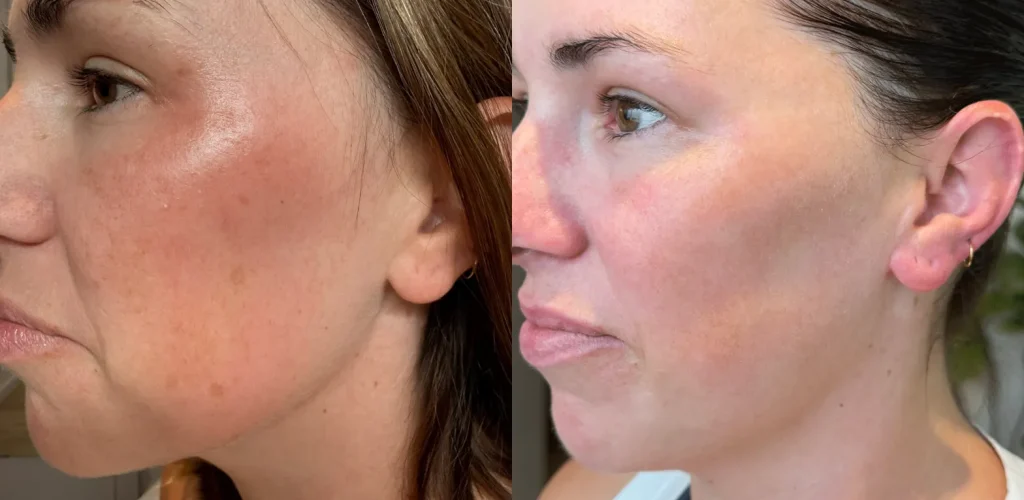
Plasma fibroblast shading is a precise, targeted technique that addresses pigmentation at the source, without lasers, without aggressive downtime, and with results that continue to improve as the skin heals. It does not get the same attention as our lifting and tightening work, but for clients dealing with age spots and sun damage, the before and afters are often the most visible ones we take.
Here is what you need to know.
What causes age spots on face and hands?
Pigmentation occurs when melanin, the pigment that gives skin its colour, is produced unevenly or in excess in certain areas. The result is patches or spots that appear darker than the surrounding skin.
Common causes include:
Sun damage and UV exposure: The most common driver of pigmentation in Australian skin. Years of sun exposure cause melanocytes to produce melanin unevenly, resulting in the flat brown spots commonly known as age spots or liver spots.
Post-inflammatory pigmentation: Pigmentation that develops after an injury, breakout, or inflammatory skin event. Common in clients who have experienced acne or skin trauma.
Hormonal pigmentation: Sometimes called melasma, this type is triggered or worsened by hormonal changes such as pregnancy, the pill, or perimenopause. It tends to appear symmetrically across the cheeks, upper lip, and forehead.
General sun-related discolouration: Diffuse uneven tone and dullness that builds over time rather than appearing as distinct spots.
Understanding which type of pigmentation is present matters, because not all pigmentation responds the same way to the same treatment, and some requires a different approach entirely.
How does plasma fibroblast treat pigmentation?
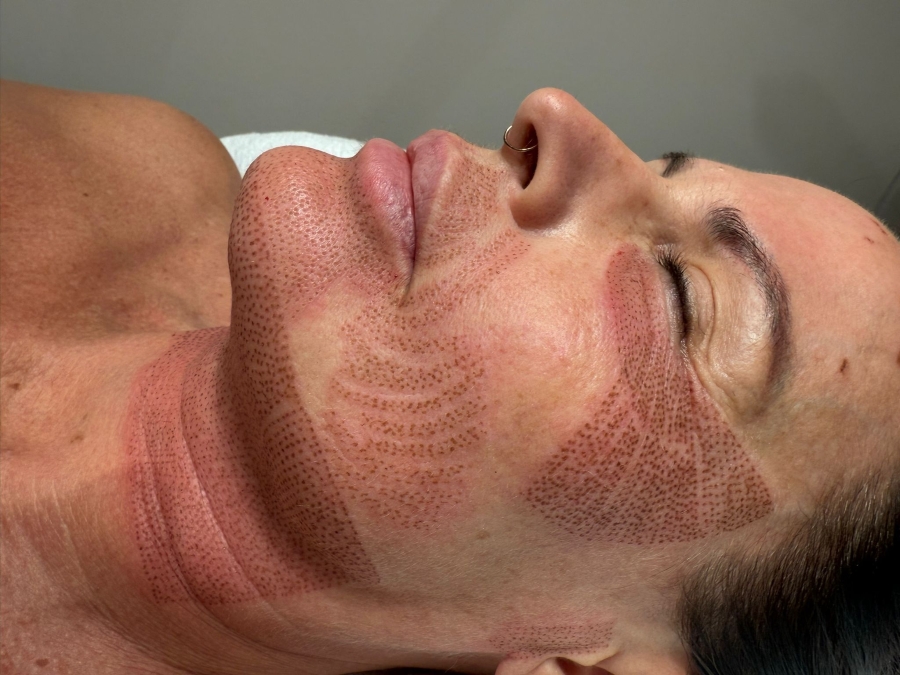
Plasma fibroblast shading uses controlled plasma energy to target areas of excess pigmentation in the skin. Rather than the precise dot pattern used for tightening and lifting work, shading delivers a more diffuse energy across the pigmented area, breaking down the concentrated melanin deposits and prompting the skin to resurface and regenerate.
As the treated area heals, the pigmentation lifts away with the skin’s natural exfoliation process. The skin’s renewal cycle, driven by fibroblast activity and collagen regeneration, replaces the pigmented cells with fresher, more evenly toned skin underneath.
The results we see at North Skin are genuinely impressive, particularly for discrete age spots and sun damage patches where the pigmentation is well-defined and close to the surface.
What types of pigmentation respond best?
Plasma fibroblast works particularly well for:
- Discrete age spots and liver spots
- Sun damage and solar lentigines
- Post-inflammatory pigmentation from acne or skin trauma
- Diffuse uneven tone and surface discolouration
- Flat pigmented patches across the cheeks, jaw, and temples
Melasma is a more complex case. Because it is hormonally driven and sits deeper in the skin, it requires a more considered approach and a thorough consultation before any treatment is recommended. We never take a one-size-fits-all approach to melasma.
An important note on suspicious spots
Not every spot is suitable for treatment, and this is something we take seriously at North Skin.
Before treating any pigmented lesion, we assess it carefully. If a spot looks irregular, has changed in appearance, has uneven borders, or is one you have not had checked before, we will refer you to a dermatologist or skin doctor first. This is non-negotiable.
We will not treat anything we are not completely confident about, and we would rather you have a spot assessed and cleared than rush into treatment. Your safety comes before your results, always. If you are unsure about a particular spot, bring it to your consultation and we will talk through it openly.
What does treatment feel like?
A topical numbing cream is applied before treatment and left to take full effect. The shading technique feels similar to other plasma treatments, a mild warmth or light prickling sensation that most clients find very manageable.
Following treatment, the area will appear darker initially as the pigmentation oxidises and rises to the surface. This is completely normal and expected. The darkened pigmentation will then lift and shed naturally over the following days as the skin exfoliates.
It is important not to pick or force this process. Let the skin do its work.
What is the downtime?
Days 1 to 3: The treated spots will appear darker and more prominent. Some redness and mild swelling around the area is normal.
Days 3 to 7: The darkened pigmentation begins to lift and flake away with the skin’s natural exfoliation. Keep the area moisturised and protected.
Weeks 1 to 2: Surface healing is largely complete. The skin underneath will appear fresh and lighter. Sun protection is essential during this period.
Weeks 4 to 8: The full result becomes visible as the skin continues to renew. Tone evens out and the treated spots fade significantly or resolve entirely. Results vary.
Downtime for pigmentation shading is generally more manageable than for lifting and tightening treatments, as the energy is more diffuse and the treated areas are typically smaller. That said, sun avoidance is critical throughout the healing process. Any UV exposure during this period can restimulate pigmentation and compromise the result.
Who is a good candidate?
Treatment for age spots on face and hands is well suited to:
- Clients with fair to medium skin tones dealing with discrete age spots or sun damage
- Those who have tried topical treatments without satisfactory results
- Anyone wanting to address pigmentation without aggressive laser treatments
- Clients looking to even out tone as part of a broader skin rejuvenation plan
It may not be suitable for very dark skin tones due to the risk of post-inflammatory pigmentation, active skin conditions in the treatment area, or spots that have not been assessed by a medical professional. All of this is covered at consultation.
Frequently asked questions
What causes age spots on face and hands?
Age spots are concentrated deposits of melanin, usually caused by years of cumulative UV exposure. They appear most often on the face, hands, chest and shoulders because those areas get the most sun. Hormonal changes and past inflammation can also drive pigmentation, and the type matters because they respond differently to treatment.
Can age spots on face be removed permanently?
Spots that fully resolve with plasma fibroblast shading do not simply return, because the treated melanin deposits have gone. What can appear is new pigmentation driven by further sun exposure or hormonal change. Ongoing sun protection is what protects the result. Results vary between clients.
How many sessions do age spots need?
This depends on how many spots there are, how dark and how deep they sit. Many discrete age spots respond well to a single shading session, while more diffuse sun damage across a larger area may need a series. We will give you an honest estimate at consultation rather than a number over the phone.
Is plasma better than laser for age spots?
Neither is universally better. Plasma shading suits well-defined surface pigmentation and gives a more manageable recovery than many resurfacing lasers. Deeper or hormonally driven pigmentation may call for a different approach. The right answer depends on your skin type and the type of pigmentation present.
Should I get a spot checked before treatment?
Yes, if there is any doubt. We will not treat a pigmented lesion that looks irregular, has changed, or has not been assessed. We will refer you to a dermatologist or skin doctor first. Plasma treatment is not a substitute for a skin check.
Ready to address those spots?
If you have been living with age spots or sun damage that skincare is not shifting, it may be time to look at what plasma can do. Plasma Fibroblast at North Skin is precise, considered, and delivered with the honesty you deserve, in a private studio in the heart of Mona Vale on Sydney’s Northern Beaches. You can also read more on our pigmentation treatment page, or about sun damage on the chest.
Book a consultation and we will take a proper look at your skin.