If you have been researching plasma treatments for sensitive or reactive skin, you have likely come across two terms that sound similar but do quite different things. Understanding cold ozone plasma vs hyper plasma is one of the most useful pieces of knowledge you can take into your first consultation, because the difference shapes everything about how your treatment plan unfolds.
Both are gentle. Both are non-thermal. Both fall under the broad cold plasma umbrella. But they use different gases, work through different mechanisms, and suit different stages of your skin journey.
Here is how to tell them apart, and how we use both at North Skin.
A quick reminder: both are cold plasma
Plasma is the fourth state of matter, formed when a gas ionises into a mix of electrons, ions and reactive species. When that process happens at atmospheric pressure and at a temperature low enough to stay safe on human skin, below 40°C, we call it cold plasma.
Cold plasma is biologically active without being thermally damaging. That means it can support healing, calm inflammation and reduce harmful bacteria without burning, ablating or stressing the skin.
Both Cold Ozone Plasma and Hyper Plasma are cold plasma. The difference is what they are made from, and what they do best.
Cold Ozone Plasma at a glance
Cold Ozone Plasma is oxygen-based. When the device ionises oxygen, it generates a high concentration of reactive oxygen species. Ozone (O3) is the dominant active component.
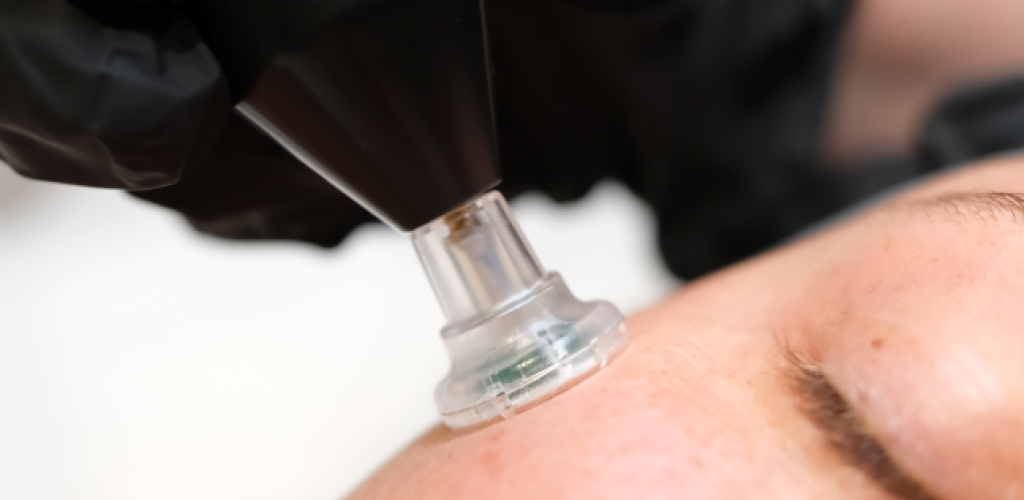
The probe hovers just above the skin surface, delivering these reactive species through a fine air gap. Nothing physically touches the skin.
What it does best:
- Reduces bacterial, viral and fungal load on the skin
- Calms active inflammation
- Supports barrier repair on compromised or reactive skin
- Oxygenates the tissue and improves microcirculation
Where it shines:
Cold Ozone Plasma is our first choice when the skin sits in an active inflammatory state. Eczema flares, rosacea outbreaks, breakouts, Topical Steroid Withdrawal and any skin currently in acute reaction. It also performs beautifully for scalp health and supporting the microbiome of compromised skin.
This is the gentlest cold plasma modality we offer. It brings the skin back to a calm, neutral baseline before any deeper work begins.
Hyper Plasma at a glance
Hyper Plasma is argon-based. The device passes a low-frequency current through argon gas, generating a fine, controlled plasma stream. A glass probe then carries it to the skin surface.
Hyper Plasma still stays non-thermal and gentle, but it works at a slightly higher intensity than Cold Ozone Plasma. The plasma stream is denser and the action on the skin leans more regenerative than purely calming.
What it does best:
- Stimulates repair in healing or recovering skin
- Supports collagen turnover and skin renewal
- Improves post-inflammatory pigmentation and texture
- Reinforces a skin barrier that has moved past active flare
Where it shines:
Hyper Plasma suits skin that has moved past the acute inflammation phase. We introduce it once the redness has settled, the flare is calm, and the skin is ready for the next layer of support. We also use it as a standalone treatment for sensitive skin that wants gentle, ongoing rejuvenation without harsher modalities.
Cold ozone plasma vs hyper plasma: side by side
| Cold Ozone Plasma | Hyper Plasma | |
|---|---|---|
| Gas | Oxygen-based | Argon-based |
| Temperature | Non-thermal, below 40°C | Non-thermal, below 40°C |
| Primary action | Antimicrobial, anti-inflammatory, barrier repair | Regenerative, repair, rejuvenation |
| Reactive species | Reactive oxygen species, ozone-dominant | Argon-driven plasma with mixed reactive species |
| Intensity | Gentlest | Slightly higher, still gentle |
| Best for | Active flares, breakouts, infections, compromised barrier | Recovery, sensitive skin support, post-inflammatory repair |
| Stage of journey | First step when skin is reactive | Introduced once the skin has calmed |
| Common applications | Eczema, rosacea, TSW, acne, scalp inflammation | Healing skin, sensitive rejuvenation, post-flare repair |
| Downtime | Minimal | Minimal |
| Contact with skin | Non-contact, hovers above surface | Probe contact at low intensity |
Cold ozone plasma vs hyper plasma: which one is right for you?
When clients ask about cold ozone plasma vs hyper plasma, the honest answer is that it depends on where your skin is right now.
If you are in the middle of a flare, breakout or active reaction, the answer is almost always Cold Ozone Plasma first. Going straight in with Hyper Plasma on inflamed skin can amplify the existing reaction. Skin that is already overstimulated does not need more stimulation. It needs calming. Cold Ozone Plasma does exactly that.
If your skin is calm but you have been through a recent flare, or you want gentle ongoing support, Hyper Plasma is likely the right modality. It picks up where Cold Ozone leaves off, helping the skin rebuild and refine rather than just settle.
If you are not sure, that is what the consultation is for. We will assess your skin on the day, listen to your history, and choose the right starting point.
Why we often use both, in sequence
For chronic conditions like eczema, rosacea, TSW and reactive acne, the most effective approach is usually not one or the other. It is both, in the right order.
A typical pathway might look like:
- Cold Ozone Plasma sessions first, while the skin remains reactive or actively inflamed. We let the skin settle, repair its barrier, and come back into balance.
- Hyper Plasma sessions introduced once the skin is calm. This is where we start rebuilding strength, refining texture, and supporting longer term skin resilience.
- Ongoing maintenance, which can be either modality depending on how the skin behaves over time.
Some clients move through this sequence quickly. Others take longer, especially if the skin has been very compromised. There is no rush. The protocol moves at the pace your skin can handle.
This is one of the reasons we stay particular about consultation and check-ins between sessions. A treatment plan that worked beautifully two weeks ago might need adjusting today, and that is normal.
What to expect from each treatment
Both treatments are short, comfortable and have minimal downtime, but the experience of each feels slightly different.
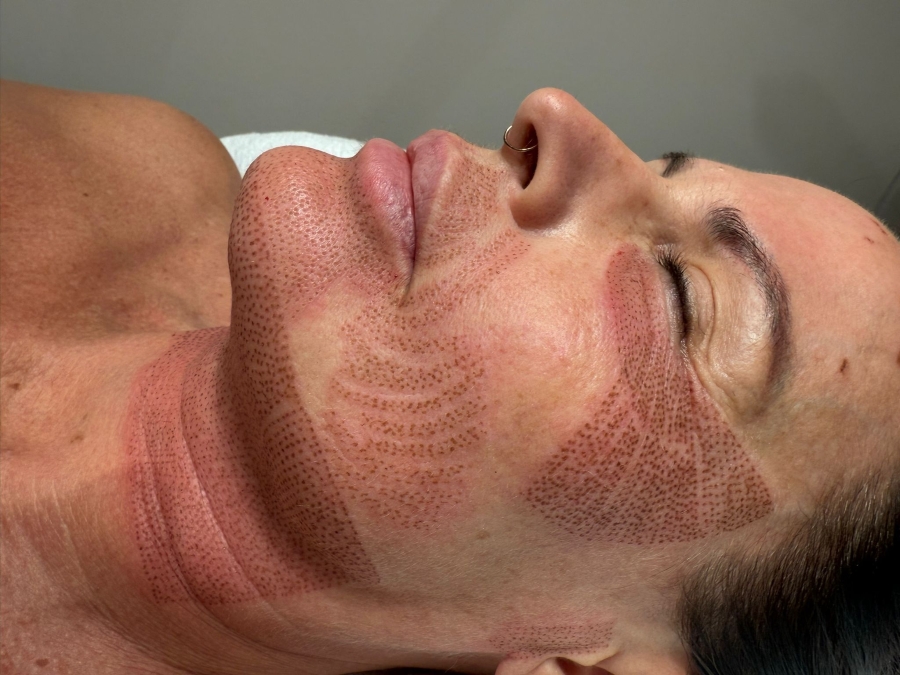
Cold Ozone Plasma: You will likely feel a cool, soft sensation as the probe moves over the skin. A faint clean scent may drift through the room, which is the ozone. Afterwards, expect mild warmth or pinkness that settles within hours. For inflammatory conditions, a temporary uptick before settling is normal and expected.
Hyper Plasma: You will feel a light tingling or warming sensation as the plasma stream contacts the skin. The probe glides gently across the surface. Afterwards, expect mild redness for a few hours, sometimes a slight tightness or dryness as the skin recalibrates. Most clients return to their normal routine immediately.
We typically finish both treatments with exosome therapy and transdermal serums to accelerate recovery and enhance results.
The deeper science
For anyone interested in the research, a comprehensive 2022 review published in the National Library of Medicine covers the clinical applications of cold atmospheric plasma in dermatology, including its role in wound healing, inflammatory disorders, infectious skin conditions and skin barrier support. It is a useful read if you want to understand the breadth of what cold plasma can do.
The bottom line
Cold Ozone Plasma and Hyper Plasma are not competing technologies. They are two complementary tools, and the art is knowing which one your skin needs, and when.
At North Skin, we stay particular about the order. We do not skip the calming step to fast-track to repair. Skin that has properly settled responds far better to everything that comes next.
If you have a chronic skin condition, a reactive flare, or you have simply been frustrated by treatments that promise gentle and then deliver irritation, we would love to talk through what a personalised plasma protocol could look like for you.