Cold Atmospheric Plasma is one of the most quietly powerful technologies in advanced skin care. At North Skin, our cold atmospheric plasma skin treatments sit at the heart of how we support reactive, inflamed and compromised skin, from eczema and rosacea through to Topical Steroid Withdrawal (TSW). It is gentle, non-thermal and works with the skin rather than against it.
If you have been researching plasma treatments and come across the term CAP, this is the explainer. We will cover what it actually is, how it works on the skin, where it fits within our Fusion8 plasma system, and why the order of treatment matters for sensitive or inflamed skin.
What is Cold Atmospheric Plasma?
Plasma is the fourth state of matter. Solid, liquid, gas, then plasma. It forms when a gas is energised to the point that its particles become ionised, creating a mix of electrons, ions and reactive species.
Cold Atmospheric Plasma, often shortened to CAP, refers to plasma that operates at atmospheric pressure and stays cool enough to be safe on human skin. Below 40°C, to be exact. Only the electrons inside the plasma carry high energy. The overall temperature stays low.
This matters because it means CAP can deliver biologically active treatment to the skin without thermal damage. No heat, no ablation, no downtime in the traditional sense.
How CAP works on the skin
CAP generates what are called Reactive Oxygen and Nitrogen Species, or RONS. These include ozone, nitric oxide and singlet oxygen. They are short-lived but biologically powerful.
When CAP is applied to the skin, those reactive species do three main things:
- Reduce bacterial, viral and fungal load on the skin surface
- Calm inflammation by modulating immune signalling
- Support wound healing and skin regeneration
Research on CAP in dermatology is well established. Studies have shown CAP can decrease bacterial load on the skin safely and effectively, support healing in chronic wounds, and reduce inflammation in conditions such as atopic dermatitis and psoriasis.
Cold atmospheric plasma skin treatments at North Skin
We deliver CAP through the Fusion8 plasma system. Fusion8 is a next-generation device with eight different plasma modalities across two handpieces.
Two of these modalities are oxygen-based and sit within what is most strictly defined as Cold Atmospheric Plasma. These run through the Cold Ozone Plasma handpiece.
There is also a second non-thermal modality on the device called Hyper Plasma. It is argon-based rather than oxygen-based and sits within the Fusion Argon Plasma handpiece. It also operates at low temperature without thermal damage, and Fusion8 documentation groups it under the broader Cold Plasma category alongside the Ozone modalities.
The short version:
- Cold Ozone Plasma: oxygen-based, the most strictly defined CAP modality on the device. Used for active inflammation, infection and barrier repair.
- Hyper Plasma: argon-based, also non-thermal and gentle. Used for ongoing repair, sensitive skin support, rejuvenation and recovery once active inflammation has settled.
Both are gentle. Both have a role. Knowing which to use first is the difference between calming the skin and accidentally setting it off.
Why we usually start with Cold Ozone Plasma
If you come to us with an active flare of eczema, rosacea, psoriasis or TSW, your skin is already in an inflammatory state. The barrier is compromised. The immune system is dialled up.
In that state, even gentle treatments can push the skin further if they are introduced too quickly.
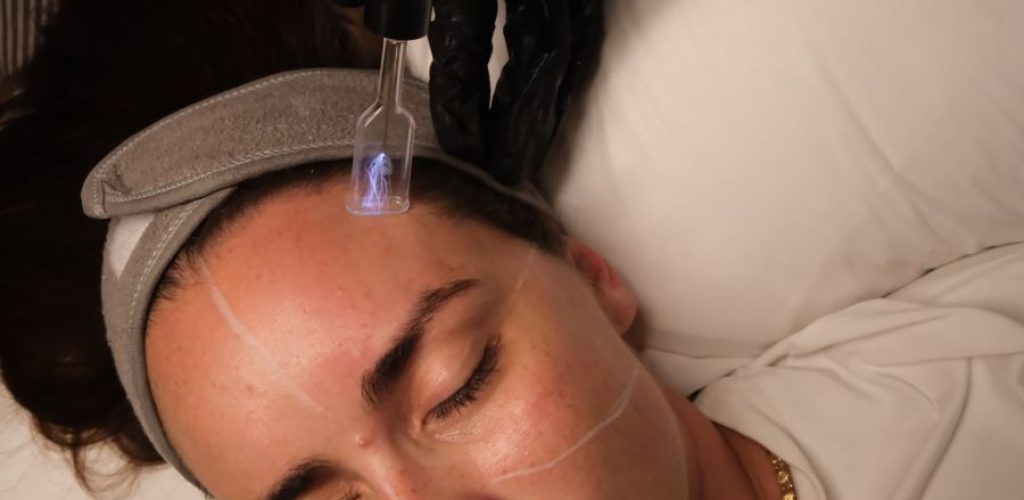
Cold Ozone Plasma is our first choice during active flares because it works primarily through ozone and reactive oxygen species. It is antibacterial, anti-inflammatory and supports barrier repair without any contact stress on the skin. The probe hovers just above the surface and delivers reactive species through a fine air gap.
Once the skin has calmed and the flare has settled, we then introduce Hyper Plasma. Hyper Plasma works at a slightly higher intensity. It supports deeper regeneration, post-inflammatory pigmentation, scarring and longer term skin strengthening. Starting with Hyper Plasma on an active flare can be too much too soon. We have seen this cause unnecessary reactions when treatments are sequenced incorrectly.
This order is not extra caution. It is the protocol that actually delivers results for inflamed and reactive skin.
What to expect after a CAP treatment
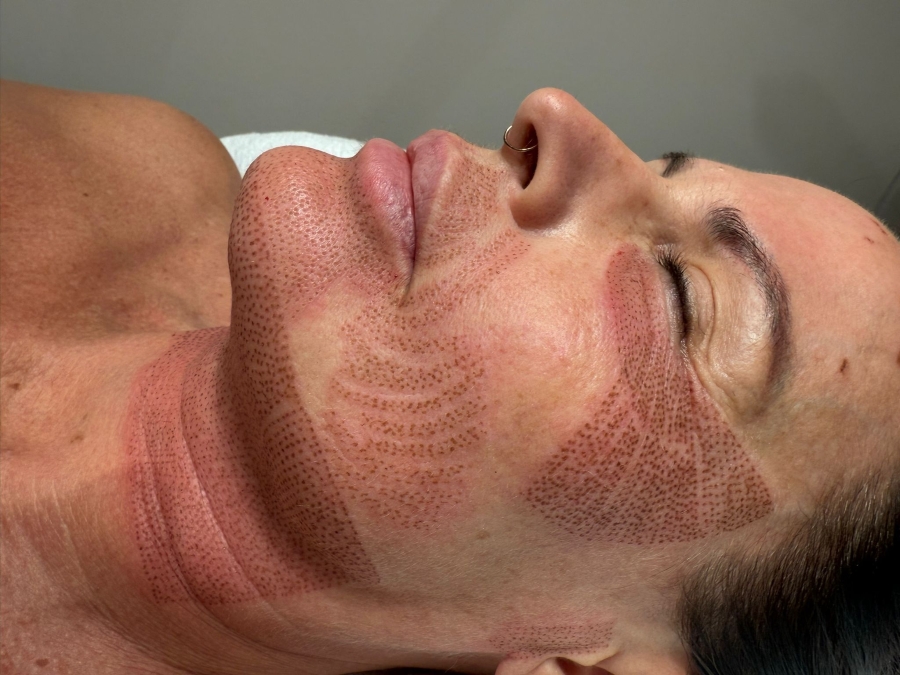
CAP is gentle, but it is still a treatment. Your skin is reacting to a stimulus that has antimicrobial and anti-inflammatory effects, and a mild response in the days afterwards is part of how it works.
Common reactions:
- Mild redness or warmth for a few hours up to a day
- A sensation of tightness as the skin recalibrates
- For inflammatory conditions, a temporary uptick in the existing reaction before it settles
For most people, this resolves quickly. For TSW and other compromised skin, the response can take a little longer to settle, as the skin is starting from a more reactive baseline. This is expected. It is part of why we sequence carefully and stay in close contact between treatments.
If you ever notice anything that concerns you between appointments, we want to know. Always.
Who Cold Atmospheric Plasma is suitable for
Cold atmospheric plasma skin treatments are well-suited to:
- Acne, congestion and inflammatory breakouts
- Rosacea and reactive skin
- Eczema and atopic dermatitis
- Psoriasis and dermatitis
- Topical Steroid Withdrawal (TSW)
- Compromised barrier function
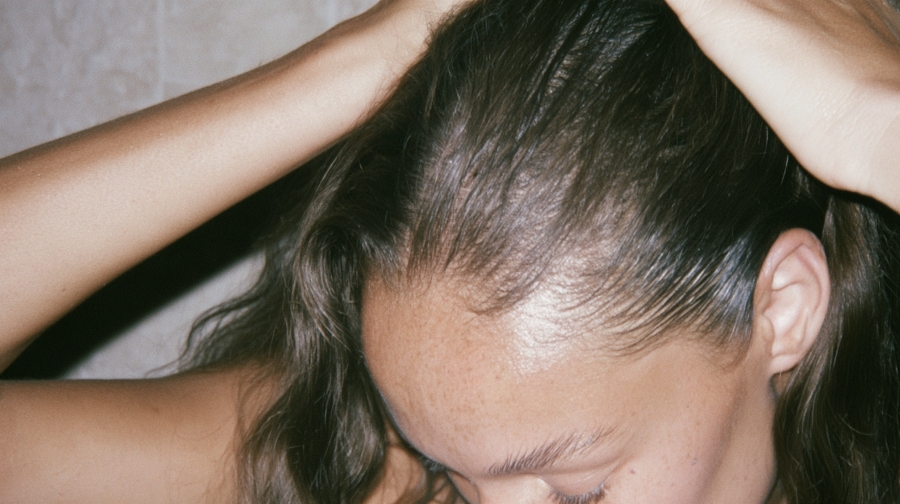
- Scalp inflammation and seborrheic dermatitis
- Post-procedure healing and recovery
All treatments start with a thorough consultation so we can map the right starting point and pace for your skin.
CAP is one of the few advanced skin technologies that is genuinely gentle, science-led and suited to skin that does not tolerate harsher approaches. At North Skin, we use it thoughtfully and in the right order. Skin that is flaring needs calming first. Skin that is calmed can then be supported through deeper regeneration.
If you are navigating a chronic skin condition and feel like you have run out of options, this is booking a consultation with us via facetime or in-clinic!