You have grown a whole human. You are sleep deprived, navigating feeds and nappies, and just when you want to feel a little more like yourself, your hair starts coming out in handfuls in the shower. Postpartum hairloss is a total b*tch, and the last thing you want to have to worry about.
Postpartum hair loss is common, but that does not make it any less confronting. The good news is that in most cases it is temporary, and there is a lot you can do to support your scalp, follicles and overall recovery.
This guide explains what postpartum hair loss is, why it happens, and how North Skin treatments can support healthier, thicker hair as your body recalibrates.
What is postpartum hair loss?
Postpartum hair loss is usually a form of telogen effluvium. That means more hairs than usual shift into the resting and shedding phase of the hair growth cycle at the same time.
During pregnancy, higher oestrogen levels keep more hairs in the growing phase. Hair often feels fuller, thicker and glossier. After birth, hormone levels drop. The hairs that were “held” in the growing phase start to shed in a concentrated window of time, usually between three and six months after delivery.
You might notice:
- More hair on your pillow, in the shower or hairbrush
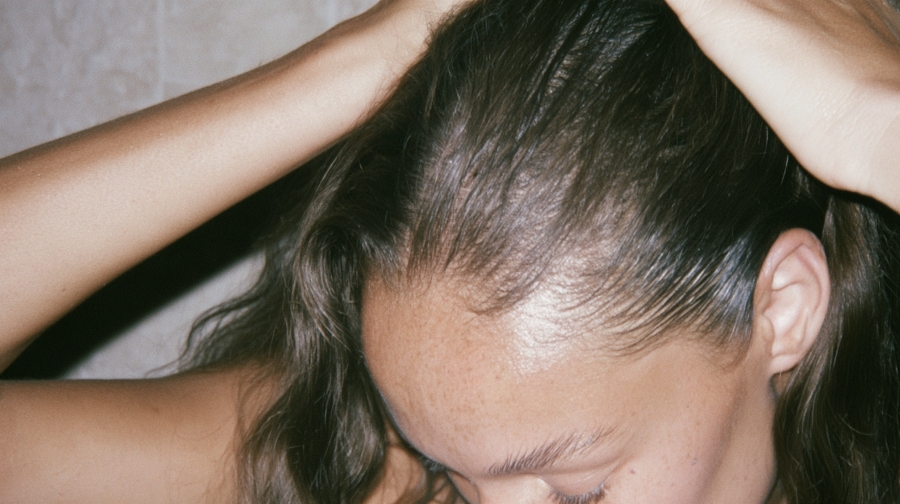
- A wider part line
- Thinning around the temples and hairline
- Strands that feel weaker or more brittle
It can feel like you are losing all your hair at once. In reality, you are often shedding hair that would have gradually fallen over the last nine months if you were not pregnant.
Why does postpartum hair loss happen?
There are a few key factors at play.
Hormonal shifts
Oestrogen and progesterone rise in pregnancy, then fall rapidly after birth and again after breastfeeding ends. These hormones influence the hair growth cycle and blood flow to the follicles. When levels drop, more hairs move into the shedding phase.
Nutrient depletion
Growing and feeding a baby is nutrient heavy. Iron, zinc, protein, B vitamins and essential fats are all important for healthy hair. If your stores were low during pregnancy, or if your intake is limited in the postpartum juggle, your hair can show it.
Stress and sleep deprivation
Your nervous system and stress hormones also influence the hair cycle. Birth, surgery, breastfeeding challenges, broken sleep and the mental load of motherhood create both physical and emotional stress. For some, this is enough to trigger or worsen telogen effluvium.
Thyroid and other medical drivers
Postpartum thyroiditis, anaemia and other medical conditions can sit underneath hair loss. If your shedding is severe, patchy, accompanied by other symptoms, or still worsening after twelve months, it is important to speak with your GP or primary health practitioner.
Scalp health
Your scalp is skin. Oil build up, dryness, product overload and microbial imbalances like dandruff or folliculitis can all affect how strong and supported your follicles feel. A calm, balanced scalp is essential for healthy regrowth.
How long does postpartum hair loss last?
For most people, postpartum hair loss peaks around four to six months after birth and settles by twelve months as hormones normalise and the hair cycle resets. Regrowth often shows as soft baby hairs around the hairline and part line.
If shedding continues to be heavy beyond a year, or if you notice clear patches, pain, flaking or inflammation on the scalp, it is time for a deeper investigation with your GP, specialist or integrative practitioner.
Supporting postpartum hair from the inside
Healthy hair growth starts with internal support. A few foundations to consider:
- Eating enough protein, healthy fats and wholefood carbohydrates
- Checking key nutrients like iron, zinc, vitamin D and B12 with your practitioner
- Hydrating consistently
- Getting support for thyroid or hormonal concerns
- Building in realistic stress support and rest where possible
At North Skin, we work in close connection with the practitioners inside Northern Beaches Integrative Practitioners. If needed, we can recommend Naturopathy or Nutrition consults to investigate internal drivers like nutrient status, hormones, thyroid health and gut function alongside your in clinic treatments.
How North Skin treatments can support postpartum hair loss
When you visit North Skin, we look at your scalp and skin with the same care we give your face. Our focus is advanced technology, natural results and a calming experience that still feels grounding and real.
Here is how our treatments can support postpartum hair loss and thinning.
1. Cold Plasma Therapy for scalp balance
Cold Plasma therapy uses low temperature plasma energy with ozone to rebalance the skin on the scalp. It is designed to:
- Reduce excess oil and build up
- Calm irritation, flaking and itch
- Reduce acne causing and microbial activity that can aggravate follicles
- Support a healthier scalp barrier
For postpartum clients, this is a gentle way to reset a stressed scalp environment so your follicles have a clearer, calmer base for regrowth. It is comfortable, non invasive and suitable for most skin types.
2. Hyper Plasma for circulation and follicle stimulation
Hyper Plasma treatments work a little deeper. This technology focuses on:
- Improving microcirculation to the scalp
- Delivering controlled thermal energy to support cellular renewal
- Gently resurfacing the scalp to refine texture and reduce build up
Healthy blood flow is essential for bringing oxygen and nutrients to the follicle. For postpartum hair loss, Hyper Plasma can be part of a program designed to wake up sluggish follicles and encourage stronger, denser regrowth over time.
3. Plasma Infusion for targeted scalp serums
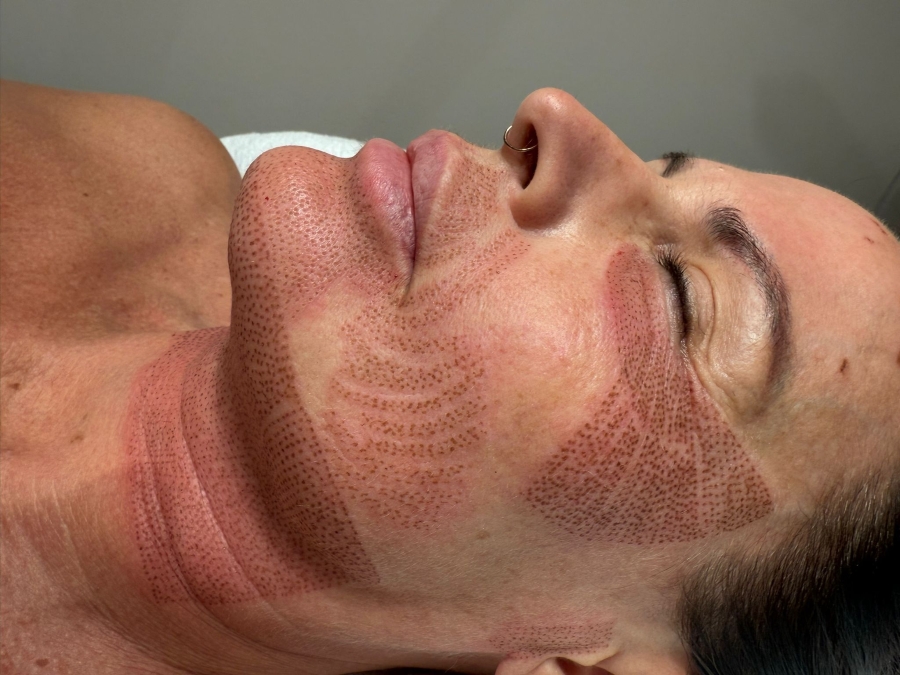
Plasma Infusion uses fine, shallow needles combined with plasma energy to create micro channels in the scalp. This allows targeted serums to be delivered more effectively into the skin.
Depending on your needs, we may use serums that focus on:
- Strengthening and protecting existing hair
- Supporting follicle function
- Improving scalp hydration and comfort
The treatment feels like a light tapping across the scalp rather than deep needling. It is usually well tolerated, even when you are touch sensitive postpartum.
4. A personalised treatment plan, not a one-off
Every postpartum journey is different. At North Skin we will always begin with a thorough consult that covers:
- Your pregnancy and birth history
- Breastfeeding and menstrual changes
- Current medications and health conditions
- Nutrient considerations and stress levels
- Your scalp health and hair loss pattern
From there we design a plan that may combine Cold Plasma, Hyper Plasma and Plasma Infusion, along with home care and, where appropriate, referrals to Naturopathy or Nutrition in the NBIP suite.
Some clients respond well to a short series of treatments over eight to twelve weeks. Others benefit from a longer program with maintenance sessions. Our focus is steady, sustainable improvement, not a quick fix promise.
What to expect from postpartum hair loss treatment at North Skin
While results always vary, many clients notice:
- A calmer, more comfortable scalp
- Less itch, flaking or oil imbalance
- Reduced shedding over time
- Softer, denser regrowth along the hairline and part
- Hair that feels stronger, smoother and easier to style
We will always be transparent about what is realistic for your stage, health and hair pattern. If we believe further medical investigation is needed, we will tell you, and can work alongside your broader health team.
Ready to support your hair after birth?
Postpartum hair loss can feel confronting, especially when you already feel stretched thin. You deserve care that understands the reality of new motherhood, honours your nervous system and still delivers results.
If your hair is shedding more than feels comfortable, or your scalp is feeling sore, sensitive or out of balance, you do not have to wait it out alone.
Book a Scalp and Skin Consult at North Skin on the Northern Beaches and we can map out a treatment plan that supports both your scalp health and your confidence as you move through this season.